Ehrlichiosis is a tick-borne bacterial disease that can affect dogs at any life stage. It is caused by bacteria in the Ehrlichia genus and is transmitted primarily through the bite of infected ticks. The disease progresses through three distinct phases — acute, subclinical, and chronic — and its symptoms vary significantly depending on the stage. Dogs treated in the early acute phase typically recover fully, while dogs who reach the chronic stage face a more serious prognosis.1 Because there is no vaccine, prevention relies on consistent tick control.
What Is Ehrlichiosis in Dogs?
Ehrlichiosis is an infectious disease caused by bacteria in the Ehrlichia genus, which infect white blood cells. In the United States, Ehrlichia canis is the most common species affecting dogs and is transmitted primarily by the brown dog tick (Rhipicephalus sanguineus). Ehrlichia ewingii is another species found in the U.S., transmitted primarily by the lone star tick (Amblyomma americanum), and typically causes a milder form of disease.
According to VCA Animal Hospitals, E. canis infects monocytes (a type of white blood cell), while E. ewingii infects granulocytes. Both interfere with the immune system’s normal function, which is why ehrlichiosis can become serious if left untreated.1
How Ehrlichiosis Is Transmitted
Ehrlichiosis is spread through the bite of an infected tick. Transmission requires the tick to remain attached and feeding — the bacteria are introduced through the tick’s saliva. According to the CDC, clinical signs typically appear one to three weeks after an infected tick attaches.2
Any dog can be exposed, but dogs that spend time outdoors — particularly in wooded or grassy areas where ticks are prevalent — face a higher risk. The brown dog tick, the primary vector for E. canis, can complete its life cycle indoors and can be found throughout the United States, making ehrlichiosis a year-round risk in many regions.
The Three Stages of Ehrlichiosis in Dogs
Ehrlichiosis progresses through three recognizable phases. The severity of each stage — and the outcome — depends significantly on when treatment begins.
Acute Stage (2–4 weeks after infection)
The acute stage typically begins one to three weeks after tick exposure and lasts two to four weeks. The immune system is actively responding to the infection, and clinical signs are often nonspecific. Dogs with acute ehrlichiosis frequently recover fully with prompt treatment.
Common signs of acute ehrlichiosis:
Lethargy and reduced activity
Lymph node swelling
Discharge from eyes or nose
Bruising or small pinpoint hemorrhages on the skin or gums (petechiae)
Low platelet count (thrombocytopenia)
Subclinical Stage (months to years)
If the acute phase is not treated or is not fully resolved, the dog enters a subclinical phase. This phase is particularly dangerous because there are no obvious outward signs — the dog appears healthy while the bacteria continue to damage the body from within. Platelet counts remain low, and the spleen may be enlarged.
Some dogs can remain in this phase for months to years without progressing further. Others may eventually move into chronic disease.
Chronic Stage
Chronic ehrlichiosis develops in dogs who were not treated during the acute phase, or who did not fully clear the infection. This is the most serious stage and carries a more guarded prognosis. According to the MSD Veterinary Manual, chronic disease can result in bone marrow suppression, causing severely reduced production of red blood cells, white blood cells, and platelets.3
Signs of chronic ehrlichiosis:
Significant weight loss
Pale gums (from anemia)
Spontaneous bleeding — from the nose, in the urine, or under the skin
Swollen limbs (edema)
Eye problems including anterior uveitis or bleeding in the eye
Neurological signs: incoordination, loss of balance, seizures
Kidney failure
German Shepherds appear to be predisposed to the chronic form of the disease, though the reason is not fully understood.3
Symptoms of Ehrlichiosis in Dogs
Because symptoms vary significantly by stage, ehrlichiosis can be easy to miss — particularly during the subclinical phase when dogs appear well.
Signs more likely in the acute stage:
Sudden fever (often 103°F–105°F)
Marked lethargy and weakness
Reduced appetite
Swollen lymph nodes
Bruising or petechiae on gums or skin
Signs more likely in the chronic stage:
Persistent weight loss
Spontaneous bleeding events
Swollen joints or limbs
Neurological symptoms
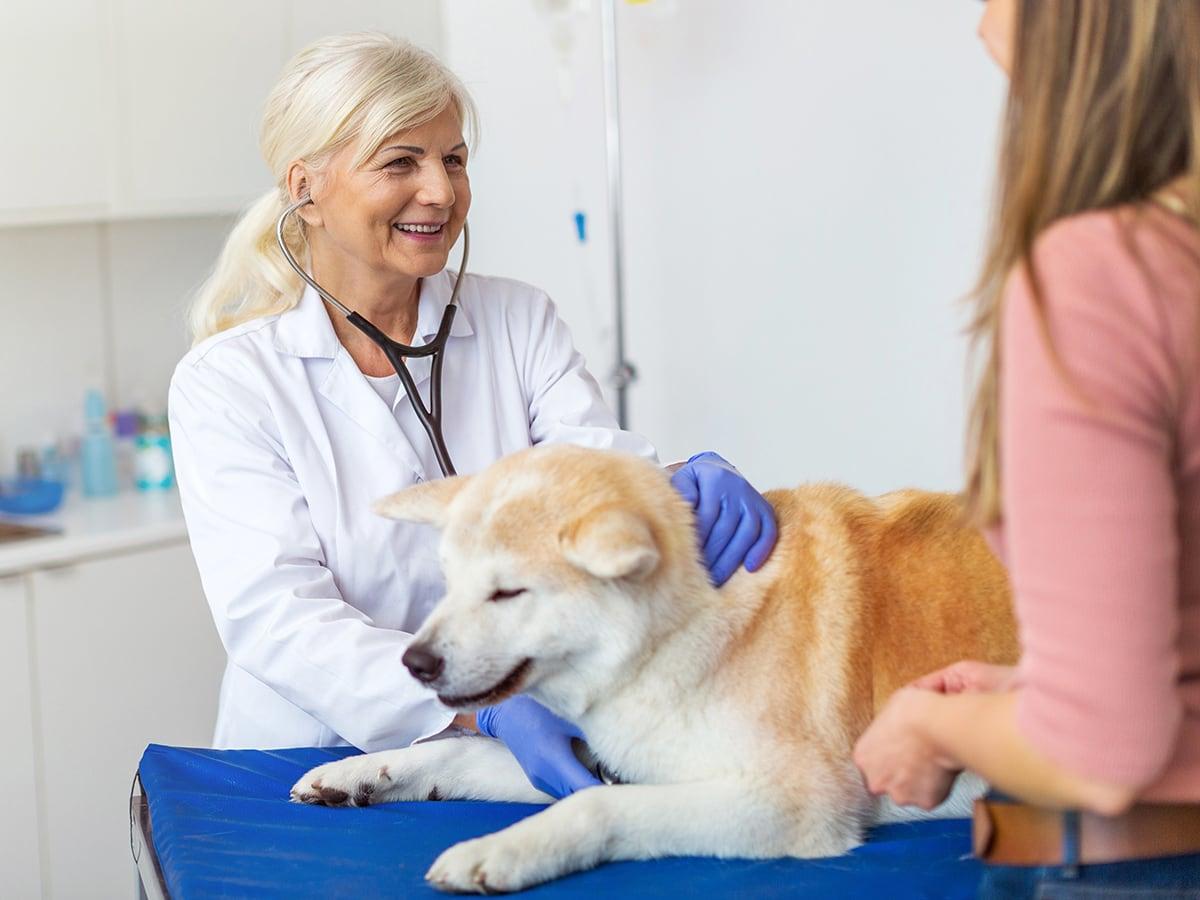
Any dog with a history of tick exposure showing unexplained fever, lethargy, or bruising should be evaluated for tick-borne illness. Knowing when to seek emergency veterinary care is especially important for dogs with severe weakness, bleeding, or neurological signs.
How Is Ehrlichiosis Diagnosed?
Ehrlichiosis is diagnosed through a combination of physical examination, history, and laboratory testing.
Antibody tests (serology): Detect immune system antibodies produced in response to Ehrlichia. These tests may be negative in the very early acute phase before antibodies have had time to develop. If a dog is already on antibiotics, a second antibody test several weeks later may be needed to confirm a positive diagnosis.
PCR (polymerase chain reaction) testing: Detects the bacteria’s genetic material directly and is most reliable in the acute phase, before antibiotic treatment begins. PCR may give a false negative once treatment has started.
Complete blood count (CBC): Low platelet counts (thrombocytopenia) and anemia are common findings that raise suspicion for ehrlichiosis even before confirmatory testing.
Treatment for Ehrlichiosis in Dogs
Doxycycline is the standard treatment for ehrlichiosis in dogs. A full course of four weeks is typically recommended to help ensure complete elimination of the bacteria. Dogs in the acute stage can often begin to improve within one to two days of starting treatment, and the prognosis for full recovery is excellent when the disease is caught and treated early.1
Dogs in the chronic stage require longer treatment and may need additional supportive care — which can include blood transfusions for severe anemia, immunosuppressive therapy in some cases, and management of potential secondary complications such as kidney disease or neurological damage.
Follow-up bloodwork after completing treatment is important to confirm that platelet counts have normalized and that the infection has been cleared.
Preventing Ehrlichiosis in Dogs
Because no vaccine exists for ehrlichiosis, prevention depends on interrupting tick transmission before it occurs. Key strategies include:
Year-round tick preventives: Veterinarian-recommended products containing fluralaner, afoxolaner, selamectin, or similar compounds can significantly help reduce tick attachment.3 Staying current on parasite prevention is one of the most effective ways to help reduce tick-borne disease risk.
Daily tick checks: After any outdoor activity in tick-prone areas, check dogs thoroughly — including between toes, around the ears, under the collar, and in the groin area. Remove any attached ticks promptly using fine-tipped tweezers.
Prompt tick removal: Most tick-borne pathogens require hours of attachment to transmit; removing ticks quickly helps reduce risk.
Annual wellness visits: Routine checkups give veterinarians the opportunity to review vaccines, parasite prevention, and regional disease risk based on a dog’s lifestyle.
Does Pet Insurance Cover Ehrlichiosis in Dogs?
Ehrlichiosis is typically classified as an illness under accident and illness pet insurance plans. Coverage may help with the eligible costs of diagnostic testing (blood panels, PCR), veterinary exam fees, prescription medications such as doxycycline, and hospitalization in severe cases.
What pet insurance covers varies by plan and is subject to pre-existing condition exclusions. For dogs in tick-prone regions with regular outdoor exposure, having coverage in place before a tick-borne disease is diagnosed or shows symptoms means those costs may be eligible for reimbursement when care is needed.
The right pet insurance plan should help support your pet through both unexpected accidents and health needs. Understanding what’s included in your policy can help you choose coverage that fits your pet’s lifestyle.
Spot Pet Insurance offers accident and illness coverage to help reimburse eligible costs related to covered injuries, illnesses, diagnostics, and treatment. Pet parents can also add optional preventive care coverage for routine services like annual exams, dental cleanings, and certain vaccines.

We’re pet parents first—and writers, marketers, and product developers by trade—combining lived experience with industry expertise in everything we create.
VCA Animal Hospitals. “Ehrlichiosis in Dogs.” https://vcahospitals.com/know-your-pet/ehrlichiosis-in-dogs
Centers for Disease Control and Prevention. “Ehrlichiosis in Dogs: Fast Facts for Dog Owners.” https://www.cdc.gov/ehrlichiosis/pdfs/fs-ehrlichiosisowners-508.pdf
MSD Veterinary Manual. “Ehrlichiosis in Dogs.”
https://www.msdvetmanual.com/infectious-diseases/rickettsial-diseases-in-dogs/ehrlichiosis-in-dogs
The information presented in this article is for educational and informational purposes only and does not constitute or substitute for the advice of your veterinarian.