Kitten insurance typically costs less per month than coverage for an adult cat — age is the largest single driver of pet insurance premiums, and younger animals carry lower expected claim costs for insurers. According to NAPHIA¹, the industry average for cat accident and illness coverage runs around $32 per month¹ across all cats in the U.S., with kittens generally landing below that figure. Where your premium falls depends on the coverage type you choose, how you configure the deductible and reimbursement rate, and where you live.
What the Average Monthly Cost Looks Like
NAPHIA¹ tracks industry-wide pet insurance premium data annually. For cats in the United States, the average accident and illness premium is $32.21 per month¹. Accident-only coverage — a narrower plan that covers unexpected injuries but not illnesses — averages $9.17 per month¹ for cats.
These are industry-wide averages across cats of all ages. Kittens, being younger and statistically less likely to have developed health conditions, typically come in below the all-cat average for the same coverage type. The exact premium for a specific kitten depends on the plan you configure and several rating factors specific to your pet and location.
The gap between accident-only and accident and illness coverage — roughly twenty-three dollars per month at the industry average — reflects what the additional illness coverage provides. Cats are prone to illnesses that injuries can’t anticipate: upper respiratory infections, urinary tract disease, hyperthyroidism, dental illness, and cancer. Without accident and illness coverage, those conditions are entirely out-of-pocket expenses regardless of how significant they become.
Coverage Type: The Largest Variable in the Price
The decision between accident-only and accident and illness coverage has more impact on the monthly premium than any other single configuration choice.
Accident-only coverage helps pay eligible costs related to unexpected injuries — bite wounds, fractures, lacerations, foreign body ingestion, and similar events. It does not cover illnesses of any kind.
Accident and illness coverage extends to conditions that develop after enrollment, including infections, hereditary conditions, cancer, chronic illness, and dental disease. For a kitten, illnesses represent a significant share of lifetime claims. What pet insurance covers provides a full breakdown of inclusions under each plan type.
The value question is whether the monthly premium difference is smaller than the financial exposure it helps protect against. According to CareCredit², cancer therapy for cats averages $3,980². A single diagnosis of that type can exceed years of the premium difference between accident-only and accident and illness coverage. Most cat parents who purchase insurance choose accident and illness plans — the incremental monthly cost helps cover a substantially wider range of conditions a cat may develop throughout its life.
What Else Affects How Much You Pay
Beyond coverage type, five additional factors shape a kitten’s monthly premium:
Age. Premiums are calculated based on the pet’s age at enrollment. Kittens fall into the lowest age tier, which translates directly to lower base rates compared to adult or senior cats. The relationship between age and premium is the primary reason kitten insurance is more affordable than coverage purchased later. See the best age to insure your pet for a full breakdown of how enrollment age affects coverage value over time.
Location. Premiums are tied to veterinary costs in your area. Regions with higher average vet costs carry higher premiums. A kitten in a major metropolitan market will typically cost more to insure than an identical kitten in a lower-cost area, even on the same plan configuration.
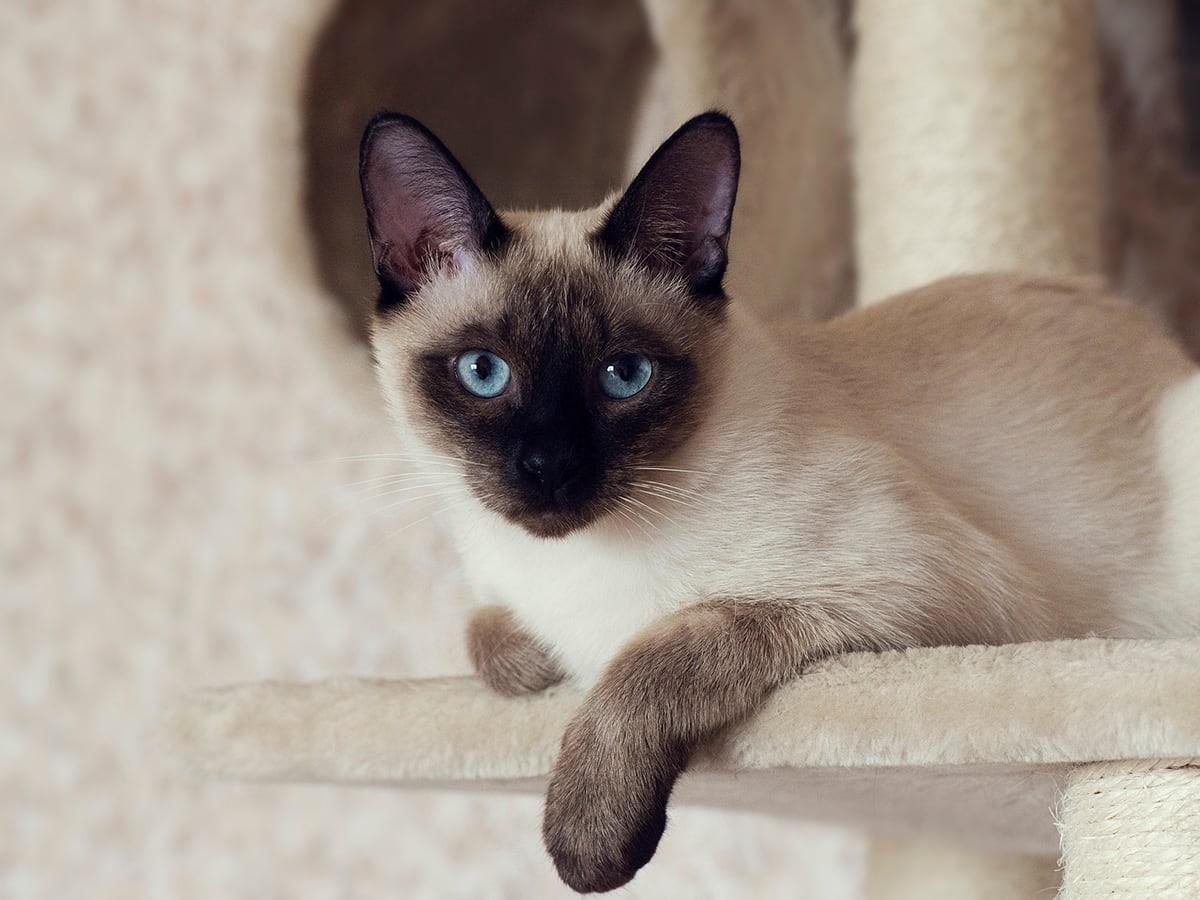
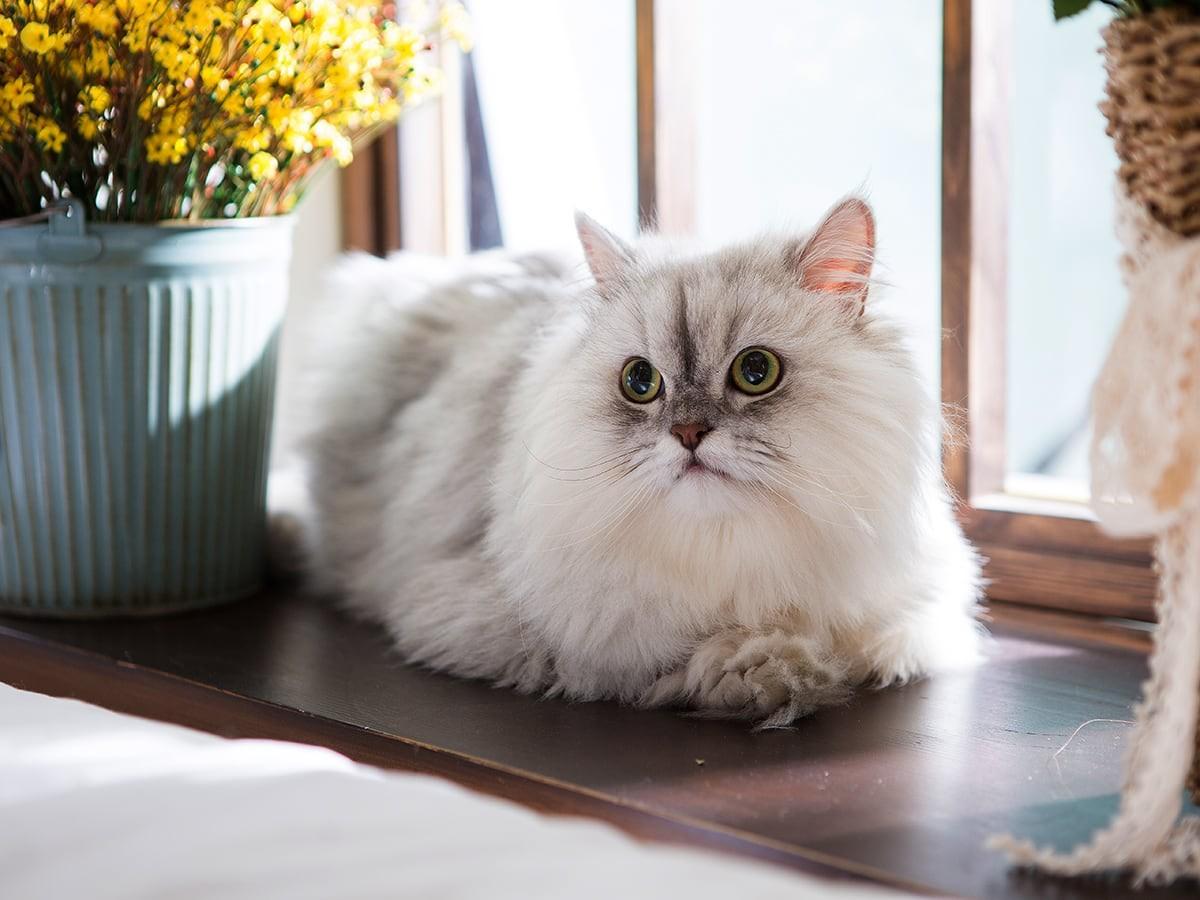
Breed. Some cat breeds carry elevated predispositions for hereditary conditions — Maine Coons for hypertrophic cardiomyopathy, Persians for polycystic kidney disease, and Siamese cats for certain dental and respiratory conditions. Breeds with known health risk profiles may carry higher base rates that reflect those risks.
Deductible. A higher annual deductible reduces the monthly premium. The trade-off: you absorb more out-of-pocket cost before reimbursement applies when a claim occurs. A deductible of five hundred dollars generates a lower monthly cost than a deductible of two hundred and fifty dollars, but increases the amount absorbed on each claim year.
Reimbursement rate. A lower reimbursement rate — seventy percent rather than ninety percent — means a lower monthly premium but a larger share of eligible vet costs absorbed on every qualifying claim. The right rate depends on your financial flexibility when bills occur.
Why Enrolling While Your Kitten Is Young Tends to Reduce Cost
Premiums are calculated at enrollment based on your pet’s current age. A kitten enrolled at eight to twelve weeks starts at the lowest possible age tier. As cats age and the statistical likelihood of developing health conditions rises, premiums increase at renewal to reflect that updated risk profile. Enrolling early establishes coverage at the lowest age-based rate.
There is also a coverage dimension to early enrollment that goes beyond monthly cost. Any condition a pet develops before the policy effective date is treated as a pre-existing condition and permanently excluded from coverage. A kitten that develops a urinary infection, a respiratory illness, or a hereditary condition before enrollment cannot receive reimbursement for treatment of those conditions under any future policy. What counts as a pre-existing condition explains how insurers define and identify these exclusions in detail.
For new kitten parents, the cat adoption checklist covers first-week priorities, including the timing of insurance enrollment relative to the first vet visit.
Unexpected vet bills can happen when you least expect them, but pet insurance may help make those costs more manageable. Having coverage in place can help pet parents feel more prepared for emergency care, surgery, diagnostics, and treatment for covered conditions.
Spot Pet Insurance offers dog insurance plans starting at $15/month^ and cat insurance plans starting at $9/month^^, helping to make it easier to find coverage that fits your budget. Spot also makes filing claims simple with a digital claims process that lets pet parents submit a claim in 60 seconds or less. Get a free quote.
^ Advertised premium is based on an accident and illness plan with an 80% reimbursement rate, $500 annual deductible, and a $2,500 annual limit for a 2-year-old small mixed dog (11-25lbs) in 32009. Plan costs vary.
^^ Advertised premium is based on an accident and illness plan with an 80% reimbursement rate, $750 annual deductible, and a $2,500 annual limit for a 2-year-old mixed cat in 33801. Plan costs vary.

We’re pet parents first—and writers, marketers, and product developers by trade—combining lived experience with industry expertise in everything we create.
North American Pet Health Insurance Association (NAPHIA). “Section 3: Average Premiums.” NAPHIA Industry Data, 2025. https://naphia.org/industry-data/section-3-average-premiums/
CareCredit. “Veterinary Exam and Procedure Costs.” CareCredit, 2026. https://www.carecredit.com/vetmed/costs/