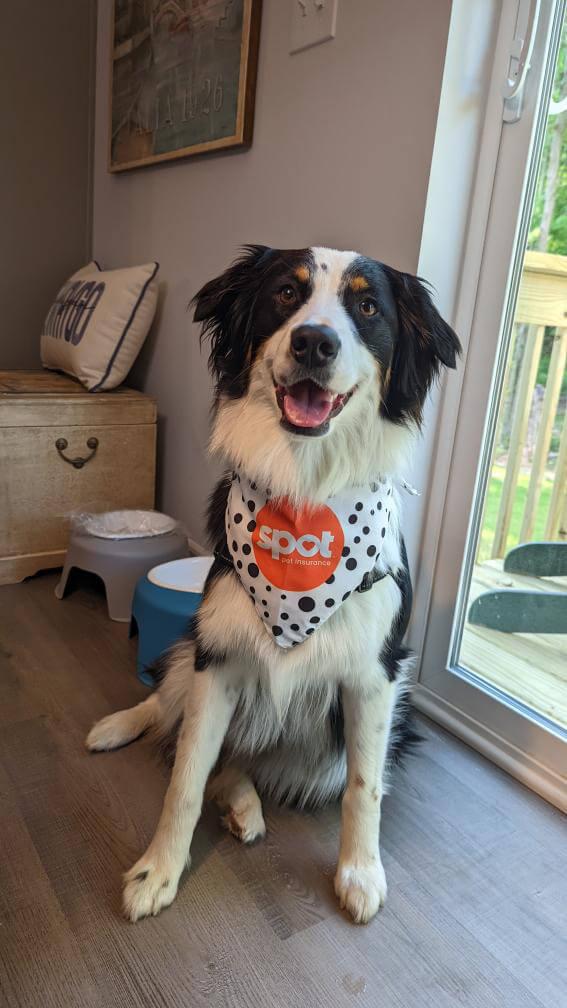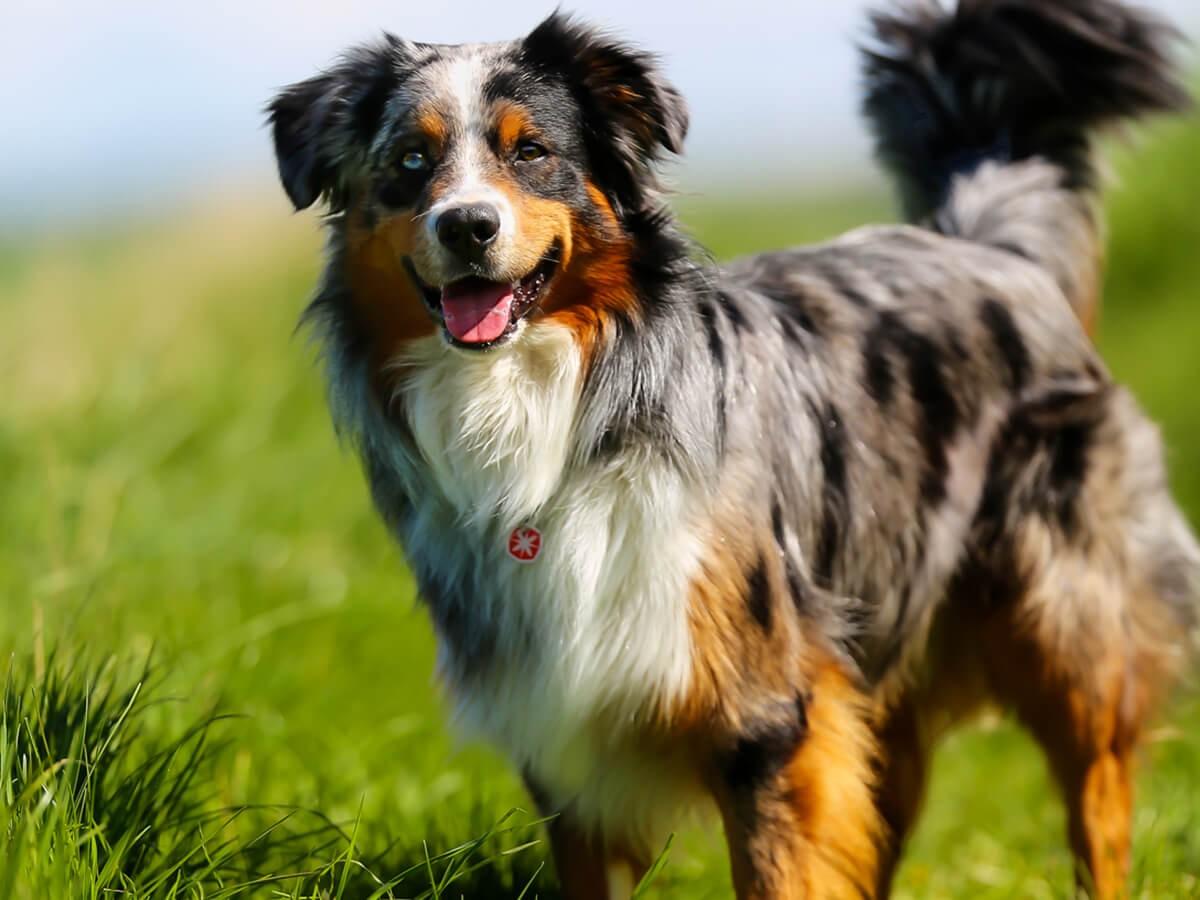
Australian Shepherd pet insurance costs generally track close to the national average for medium-sized dogs. The national average monthly premium for dog accident-and-illness coverage is $43¹, according to Insurify¹ (updated May 2026). For Australian Shepherds, insurers weigh a documented, breed-specific risk for the MDR1 drug-sensitivity mutation alongside hip dysplasia, epilepsy, and inherited eye conditions when pricing coverage.
What Drives Australian Shepherd Pet Insurance Costs?
Every dog's premium reflects general and breed-specific risk. Insurers rely on aggregated veterinary claims data, and breeds with a well-documented pharmacogenetic trait like MDR1, plus orthopedic and neurological risk, typically see that reflected in pricing. Australian Shepherds are a medium-sized, athletic herding breed, which keeps baseline premiums closer to the middle of the range, though the breed's hereditary risks still shape where a premium lands.
Factor | Why It Matters for Australian Shepherds |
|---|---|
MDR1 drug sensitivity | Can turn routine drug treatment into a sudden emergency |
Genetic joint and neurological risk | Well-documented, hereditary joint and neurological conditions in the breed |
Coat color genetics | Double-merle breeding carries elevated risk of deafness and vision loss |
Age at enrollment | Younger dogs typically start with lower premiums |
Location | Regional veterinary costs affect your premium |
See how much does pet insurance cost and how breed impacts pet insurance cost for more on how age, breed, and location shape pricing.
Australian Shepherd Health Risks That Drive Insurance Pricing
Not every Australian Shepherd develops these conditions, but they explain why insurers price the breed's coverage this way. See what does pet insurance cover for how accident and illness plans generally handle diagnostics and treatment.
The MDR1 Gene Mutation: A Drug-Sensitivity Risk
MDR1 is a pharmacological risk, not a disease in the usual sense. The gene codes for P-glycoprotein, a protein that normally pumps certain drugs out of the brain. Dogs with the mutation lack functioning P-glycoprotein, so those drugs build up to toxic levels in the brain instead of being cleared.
Washington State University's Program in Individualized Medicine reports that approximately 50% of Australian Shepherds carry at least one copy of the MDR1 mutation² — one of the highest documented rates of any breed. Affected dogs can have severe, sometimes fatal reactions to certain drugs, including some ivermectin-based dewormers, loperamide (Imodium), and certain chemotherapy drugs, at doses considered safe for dogs without the mutation.
MDR1 reactions often surface as sudden neurological emergencies — tremors, disorientation, or seizures after a routine medication — meaning urgent, unplanned veterinary costs. A genetic test, available through WSU², can identify carriers before a dog is ever exposed to a risky drug, letting pet parents and their vet plan ahead instead of reacting to an emergency.
Hip Dysplasia
Hip dysplasia occurs when the hip joint doesn't form properly, leading to looseness, pain, and eventually arthritis. The Australian Shepherd Health & Genetics Institute categorizes hip dysplasia as "Extremely Common" in the breed³. Treatment ranges from weight management and medication for mild cases to surgery for more severe joint deterioration.
Epilepsy
Idiopathic epilepsy causes recurrent seizures with no identifiable cause, and it's considered hereditary in several herding breeds. ASHGI categorizes epilepsy as "Very Common" in Australian Shepherds³, with seizures typically beginning between 1 and 5 years old. Managing epilepsy usually means ongoing anti-seizure medication and periodic bloodwork to monitor drug levels.
Collie Eye Anomaly and Progressive Retinal Atrophy
Collie eye anomaly (CEA) is a congenital condition affecting how the back of the eye develops, ranging from mild to vision-threatening. Progressive retinal atrophy (PRA) is a group of inherited conditions that gradually break down the retina's light-sensing cells, eventually causing blindness. ASHGI categorizes both as "Uncommon" in Australian Shepherds³. Both require an ophthalmologic exam to diagnose, and neither is curable, though PRA's slow progression means many affected dogs adapt well.
Double Merle Coat Color and Elevated Ocular and Hearing Risk
The merle pattern is a coat-color gene, not a health condition itself, but breeding two merle-patterned dogs together can produce puppies with two copies of the gene, called "double merles." The Australian Shepherd Health & Genetics Institute reports that dogs with two copies of the merle gene virtually always have abnormally developed eyes, which are frequently blind, while dogs with only one copy do not have these defects⁴. Double merles can also be deaf in one or both ears, from the same pigment deficiency affecting the inner ear. Reputable breeders avoid merle-to-merle pairings, but double-merle Australian Shepherds still turn up in rescue and shelter populations.
Choosing the Right Pet Insurance Plan for an Australian Shepherd
Plan setup affects both your premium and your reimbursement, especially given an Aussie's MDR1, orthopedic, and neurological risk.
Deductible: A lower deductible means less out-of-pocket cost before reimbursement starts, but usually a higher premium. A higher deductible lowers your premium but raises what you pay upfront each policy year.
Reimbursement rate: Most accident and illness plans let you choose a rate, commonly 70% to 90% of the eligible bill. You pay the vet bill out of pocket first, then submit a claim — the insurer doesn't pay the clinic directly.
Here's the math: (vet bill − deductible) × reimbursement rate = reimbursement amount. Say a dog swallows a toy and needs X-rays plus surgery costing $1,260¹ — an Insurify example of an unplanned emergency. On an 80%-reimbursement plan with a $500 deductible: $1,260¹ − $500¹ = $760¹, then $760¹ × 80% = $608¹ reimbursed.
Annual limit: Because MDR1 reactions, epilepsy, and joint conditions can generate recurring costs, a higher or unlimited annual limit offers more protection.
Enrollment timing: Hip dysplasia, epilepsy, and CEA can all surface early, so enrolling your Australian Shepherd young and symptom-free gives you the broadest coverage window. Conditions diagnosed before enrollment are generally treated as pre-existing and excluded from coverage.
Frequently Asked Questions
How much does pet insurance cost for an Australian Shepherd?
There's no single published rate specific to Australian Shepherds, but premiums often reflect the breed's documented MDR1, hip, and neurological risk. The national average for dog accident-and-illness coverage is $43¹ per month. Actual cost depends on your dog's age, location, and plan choice.
Does pet insurance cover treatment for an MDR1 drug reaction?
Accident and illness plans can generally help cover the diagnostics and treatment an adverse drug reaction requires, since it's an unplanned medical event, not a pre-existing condition. Review a sample policy to see how it handles emergency and toxicity-related care before you enroll.
Should I get my Australian Shepherd tested for MDR1?
Many veterinarians recommend it, especially for rescues of unknown parentage. A genetic test can identify whether a dog carries the MDR1 mutation before it's ever exposed to a risky drug, letting your vet choose safer alternatives instead of treating a reaction after the fact.
When should I enroll my Australian Shepherd in pet insurance?
Enrolling an Australian Shepherd as a puppy, before any hip, seizure, or eye symptoms appear, gives you the broadest coverage window and typically the lowest starting premiums. Because these conditions can develop early, waiting until symptoms appear means that condition will likely be excluded once you enroll.
Protecting Your Australian Shepherd's Coverage
Unexpected vet bills can happen when you least expect them, but pet insurance may help make those costs more manageable. Having coverage in place can help pet parents feel more prepared for emergency care, surgery, diagnostics, and treatment for covered conditions.
Spot Pet Insurance offers dog insurance plans starting at $15/month^ and cat insurance plans starting at $9/month^^, helping to make it easier to find coverage that fits your budget. Spot also makes filing claims simple with a digital claims process that lets pet parents submit a claim in 60 seconds or less. Get a free quote.
^ Advertised premium is based on an accident and illness plan with an 80% reimbursement rate, $500 annual deductible, and a $2,500 annual limit for a 2-year-old small mixed dog (11-25lbs) in 32009. Plan costs vary.
^^ Advertised premium is based on an accident and illness plan with an 80% reimbursement rate, $750 annual deductible, and a $2,500 annual limit for a 2-year-old mixed cat in 33801. Plan costs vary.

We’re pet parents first—and writers, marketers, and product developers by trade—combining lived experience with industry expertise in everything we create.
Insurify. "How Much Does Pet Insurance Cost?" Insurify, updated May 2026. https://insurify.com/pet-insurance/average-pet-insurance-cost/
Washington State University Program in Individualized Medicine (PRIME). "Dog breeds commonly affected by MDR1 mutation." WSU PRIME, October 19, 2021. https://prime.vetmed.wsu.edu/2021/10/19/breeds-commonly-affected-by-mdr1-mutation/
Australian Shepherd Health & Genetics Institute. "Disease Prevalence in Aussies." ASHGI, 2009-2010 Comprehensive Breed Health Survey, revised March 2013. https://www.ashgi.org/home-page/genetics-info/disease-prevalence/disease-prevalence-in-aussies
Australian Shepherd Health & Genetics Institute. "Merle & Health." ASHGI. https://www.ashgi.org/home-page/genetics-info/color/merle-health