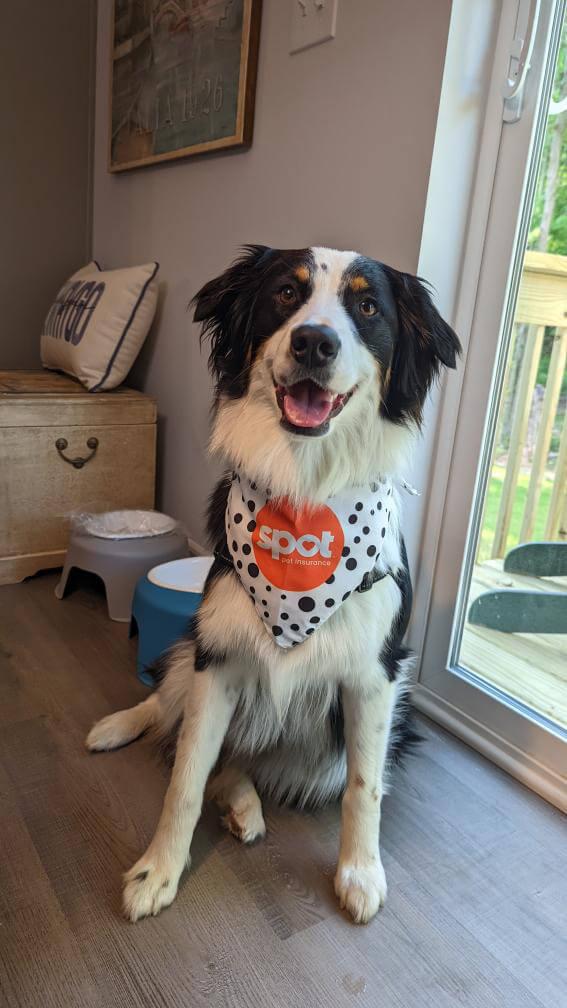

Your dog’s breed is one of the most significant factors affecting pet insurance premiums. Insurers base pricing on a breed’s statistical risk of illness, injury, and long-term conditions, which means breeds prone to expensive health issues typically have higher premiums.
According to NAPHIA², the average monthly premium for dog accident and illness coverage is $62.44. However, premiums can vary significantly by breed, ranging from about $39/month for mixed breeds to over $89/month for breeds with more health risks, according to Bankrate¹.
Spot Pet Insurance plans can help cover eligible veterinary expenses for dogs of all breeds, with flexible coverage options designed to fit different needs and budgets.
Why Do Some Breeds Cost More to Insure?
Breed-Specific Health Conditions
Certain breeds face higher risks for hereditary and congenital conditions that require expensive treatment. These breed-specific health predispositions can directly influence insurance pricing:
Large and Giant Breeds:
Hip dysplasia and elbow dysplasia
Bloat (gastric dilatation-volvulus)
Shorter lifespans
Brachycephalic (Flat-Faced) Breeds:
Respiratory difficulties
Skin fold infections
Eye problems
Purebred vs. Mixed Breeds: Purebred dogs tend to have more hereditary health issues due to selective breeding over generations. Mixed-breed dogs benefit from a wider gene pool, which often leads to fewer inherited health conditions and typically lower insurance premiums.
Veterinary Treatment Costs by Size
Larger dogs generally incur higher veterinary costs because treatments require:
Larger doses of medication
More extensive surgical procedures
Greater quantities of preventive care products
For example, insuring a giant breed like a Great Dane or Saint Bernard usually costs more than covering a smaller breed due to both size-related treatment costs and breed-specific health challenges.
Which Dog Breeds Have Higher Insurance Premiums?
Based on Bankrate¹ research comparing quotes for a 3-year-old dog with 80% reimbursement, $500 deductible, and $10,000 annual limit:
Breed | Average Monthly Premium | Why Higher Cost |
|---|---|---|
French Bulldog | ~$89¹/month | Respiratory issues, skin problems, joint conditions |
Great Dane | ~$88¹/month | Heart conditions, bloat, joint issues, shorter lifespan |
Rottweiler | ~$85¹/month | Hip dysplasia, heart conditions, cancer risk |
Bulldog | ~$83¹/month | Respiratory problems, skin infections, joint issues |
Boxer | ~$73¹/month | Cancer risk, heart conditions, digestive issues |
Premium estimates based on Bankrate research. Actual costs vary by location, age, and coverage selected.
French Bulldogs—the most popular dog breed in the U.S.—are known for health challenges including breathing difficulties, skin problems, and congenital heart disease. These conditions can lead to frequent veterinary visits and expensive treatments, which is reflected in higher insurance premiums.
Which Dog Breeds Are Least Expensive to Insure?
Dogs with fewer hereditary health conditions and longer lifespans typically have lower insurance costs. According to Bankrate¹, these breeds are usually more affordable to insure:
Mixed-breed dogs (benefit from genetic diversity)
Jack Russell Terriers (hardy, active breed)
Chihuahuas (small size, fewer major health issues)
Beagles (generally healthy breed)
Australian Cattle Dogs (bred for endurance and health)
Mixed-breed dogs around 35-40 pounds tend to be the least expensive to insure—averaging around $39/month according to Bankrate¹—because they’re typically hardier and less likely to develop genetic conditions.
What Other Factors Affect Pet Insurance Premiums?
While breed is significant, several other factors influence your premium:
Factor | How It Affects Cost |
|---|---|
Pet's age | Younger pets usually have lower premiums; costs can increase as pets age |
Location | Veterinary costs vary by region; urban areas often have higher premiums |
Coverage type | Accident and illness plans cost more than accident-only coverage |
Deductible | Higher deductibles usually mean lower monthly premiums |
Reimbursement rate | Higher rates (90% vs. 70%) usually mean higher premiums |
Annual limit | Higher or unlimited limits usually mean higher premiums |
Understanding these factors can help you balance coverage and cost when choosing a plan.
How Can You Get Pet Insurance Rates That Fit Your Budget?
Choose the Right Coverage Level
You can often lower your monthly premium by:
Selecting a higher deductible (such as $500 instead of $250)
Choosing a lower reimbursement rate (70% instead of 90%)
Adjusting your annual limit based on your needs
Enroll Your Pet When They're Young
Premiums are typically lower for younger pets because they present fewer immediate health risks. Enrolling while your pet is young can also help ensure coverage for conditions that develop later—since pre-existing conditions aren't covered by any pet insurance plan.
Look for Available Discounts
Some insurers offer discounts that can reduce your premium:
Multi-pet discounts (enroll more than one pet)
Annual payment discounts
Partner or employer discounts
Spot offers a 10% multi-pet discount on all pets enrolled after the first.*
Does Spot Pet Insurance Have Breed Restrictions?
No—Spot Pet Insurance plans have no breed exclusions. All dog breeds are welcome, from French Bulldogs and Rottweilers to mixed breeds and mutts. This means you can get coverage regardless of your dog's breed-specific health risks.
Spot Pet Insurance plans offer:
Reimbursement rates: 70%, 80%, or 90% of covered costs
Annual deductibles: Options from $100 to $1,000
Annual limits: Many choices including an unlimited option
No breed exclusions: All breeds accepted
No upper age limits: Dogs 8 weeks and older can enroll
Any licensed vet: Visit any veterinarian in the U.S. or Canada
Learn more about how much pet insurance costs and what factors affect your premium.
The Bottom Line: Does Breed Really Matter for Pet Insurance?
Yes—your dog’s breed can significantly impact your pet insurance premium. Breeds prone to hereditary conditions or expensive health issues typically cost more to insure, while mixed breeds and healthier purebreds usually have lower premiums.
However, breed is just one factor. Your pet’s age, location, and the coverage options you select also play important roles in determining your final premium.
For many pet parents, having coverage for breed-specific health risks provides a sense of financial security when unexpected veterinary costs arise. Getting a quote takes 30 seconds or less. Visit Spot Pet Insurance to explore your coverage options and find a plan that fits your pet’s needs and your budget.
When the unexpected happens, you shouldn't have to choose between your pet and your finances. Here's how Spot showed up for real families when it mattered most.

Mostly a tech person, always a pet person. I am dedicated to improving the lives of pets and their humans with technology. Off-duty, I enjoy writing about the misbehaving of computer programs and my two Aussiedoodles, Calvin and Hobbes.
Bankrate. “How Your Dog’s Breed Can Impact Your Pet Insurance Cost.” Bankrate, 2024. https://www.bankrate.com/insurance/pet-insurance/how-your-dogs-breed-can-impact-your-pet-insurance-cost/
North American Pet Health Insurance Association. “Average Premiums - State of the Industry Report 2024.” NAPHIA, 2024. https://naphia.org/industry-data/section-3-average-premiums/
*Spot multi-pet discount information based on current Spot Pet Insurance policy terms.
^Exam fees for wellness or annual exams are not covered unless you have purchased the optional preventive care coverage.