Pet insurance with wellness coverage extends standard accident and illness protection to include routine veterinary care — annual exams, vaccinations, dental cleanings, and other preventive services that most base policies exclude. A wellness add-on reimburses these predictable costs on a fixed annual allowance rather than through percentage-based reimbursement. For pet owners who prioritize consistent preventive care, understanding how these add-ons work and what they actually cover can help determine whether they're worth adding to a policy.
What Is Pet Insurance with Wellness Coverage?
Standard pet insurance — accident and illness coverage — is designed for unexpected events: broken bones, infections, cancer diagnoses, and emergency treatment. It does not cover routine preventive services that are expected and predictable, like annual wellness exams or vaccinations.
Wellness add-ons fill that gap. They function as a separate layer of coverage with an annual reimbursement allowance distributed across eligible routine services. Rather than paying out a percentage of covered bills after a deductible, wellness coverage reimburses set amounts per service — a fixed amount toward an annual exam, a fixed amount per vaccine administered, and a set amount toward a dental cleaning. Once the annual allowance is used, remaining preventive costs are out-of-pocket until the policy renews.
Wellness add-ons have grown as pet owners look to offset predictable routine care costs alongside protection for unexpected illness. These add-ons are typically available as optional upgrades when enrolling in a new policy or during annual renewal.
What Wellness Coverage Typically Includes
Wellness add-ons vary by plan and tier, but most cover a core set of routine services that veterinarians recommend for maintaining pet health. Common covered services include:
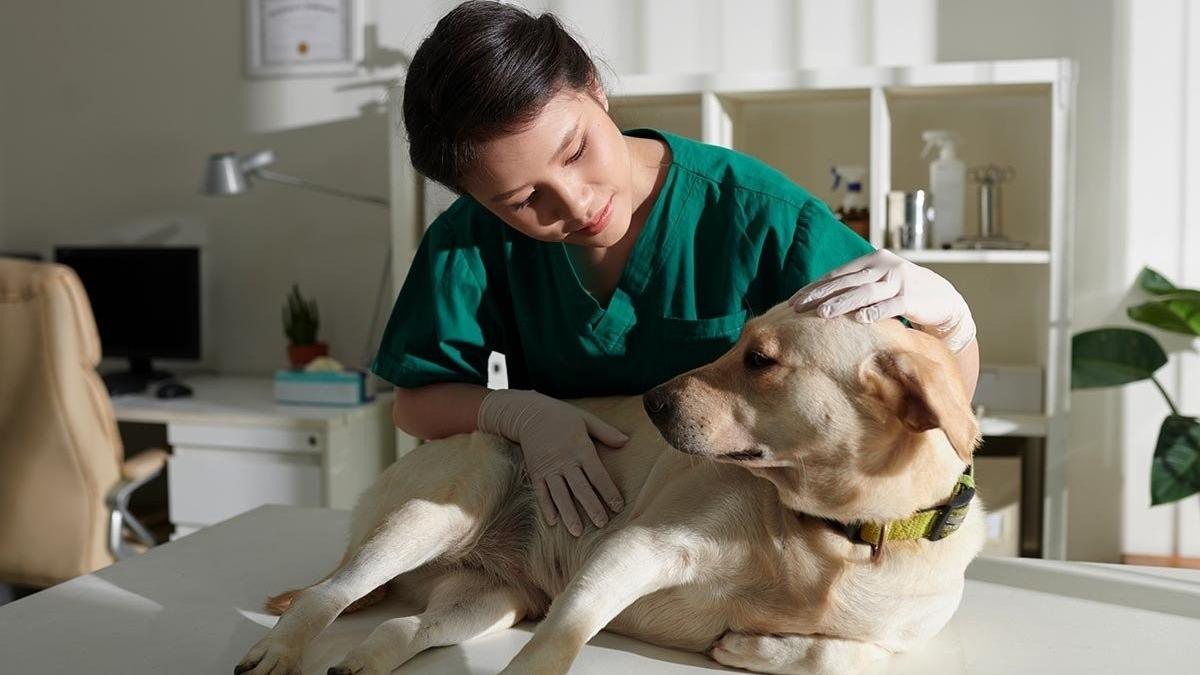
Annual wellness examinations: A complete physical evaluation covering weight and body condition, cardiovascular and respiratory health, dental and oral health, skin and coat condition, and joint function. The American Veterinary Medical Association¹ recommends annual exams for adult pets and twice-yearly exams for senior pets.
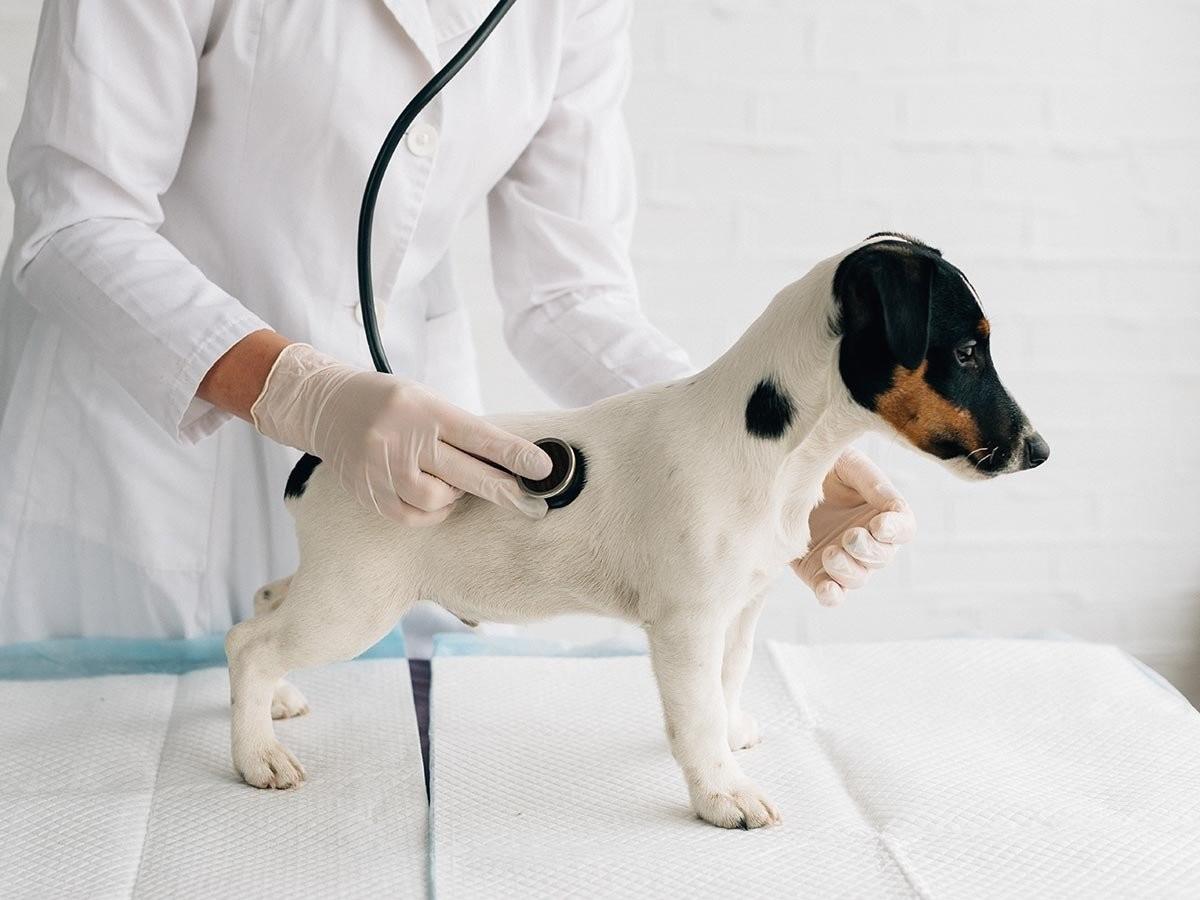
Vaccinations: Core vaccines for dogs (rabies, distemper, parvovirus, adenovirus) and cats (rabies, FVRCP). Some plans also cover titer tests — bloodwork that measures antibody levels to determine whether booster vaccines are still protective.
Dental cleanings: Professional cleanings performed under anesthesia. According to Banfield Pet Hospital's 2024 State of Pet Dental Health report², 73% of dogs and 64% of cats were diagnosed with dental-related issues in 2023, based on data from more than 3 million pets. Annual or biannual cleanings help prevent periodontal disease that can lead to tooth loss, infection, and systemic health problems. How much dog dental care costs varies by region and the complexity of the procedure.
Diagnostic testing: Fecal exams for intestinal parasites, routine bloodwork panels, and urinalysis are commonly included. These tests help detect organ function changes before symptoms appear.
Some higher-tier wellness add-ons extend coverage further to include spay/neuter procedures, microchipping, and monthly parasite prevention — flea, tick, and heartworm preventatives.
Why Preventive Care Matters
Routine veterinary care helps detect conditions before they advance — making earlier treatment more feasible and often less costly. An annual wellness exam is the most consistent opportunity for a veterinarian to identify weight gain, early organ changes, dental disease progression, or abnormal lymph nodes before they become acute problems.
Dental disease illustrates the point clearly. Untreated periodontal disease can contribute to systemic organ damage and eventually require extractions under anesthesia. A preventive dental cleaning costs far less than advanced dental surgery. Parasite prevention follows the same logic — monthly preventatives are significantly less expensive than treating an established heartworm infection or tick-borne illness.
For senior pets, the case for consistent preventive care is stronger. The American Veterinary Medical Association¹ recommends twice-yearly exams for older pets because age-related conditions can progress quickly between annual visits. Pet insurance for senior pets outlines which conditions become more likely with age and why early detection matters most once a pet enters their senior years.
How Wellness Coverage Works
Wellness add-ons operate on a reimbursement model: the pet owner pays the veterinarian directly, then submits a claim for the covered services. The insurer reimburses up to the per-service limit or the remaining annual allowance, whichever is lower.
This differs from accident and illness coverage in a few important ways:
No deductible typically applies. Wellness reimbursements typically come off the annual allowance directly, without requiring a deductible to be met first.
Fixed reimbursement amounts. Rather than percentage-based reimbursement (70%, 80%, 90%), wellness plans pay set amounts per covered service.
Shorter activation window. Many wellness add-ons activate within 24–48 hours of purchase, compared to the waiting periods that typically apply to illness coverage.
What pet insurance covers varies by plan, but all comprehensive accident and illness plans draw a clear line: routine and preventive services require a wellness add-on to be reimbursable.
Is a Wellness Add-On Worth It?
Whether a wellness add-on makes financial sense depends on how consistently a pet receives preventive care and which services are used in a given policy year.
Pet owners who schedule annual exams, keep vaccinations current, and invest in regular dental cleanings are most likely to use the majority of their annual wellness allowance. The benefit is clearest for:
Puppies and kittens: Multiple vaccine series in the first year, plus spay/neuter procedures, can quickly reach or exceed the annual allowance on higher-tier plans.
Senior pets: More frequent exams and more diagnostic testing mean higher routine costs each year.
Breeds prone to dental disease: Small breeds and brachycephalic breeds often require more frequent dental cleanings, making dental coverage more valuable over time.
Pet owners who tend to defer routine care — or who have young, healthy adult pets with minimal preventive needs — may find a wellness add-on less cost-effective. In that case, directing premium dollars toward a higher annual limit or lower deductible on the base accident and illness policy may provide more value.
Does pet insurance cover exams? explains exactly which exam types fall under wellness versus accident and illness coverage — a useful distinction when evaluating whether a wellness add-on fills a real gap in your current plan.
What to Look for in a Wellness Add-On
When comparing wellness add-ons across plans, a few factors carry more weight than the headline monthly cost:
Annual allowance: A higher allowance matters more if you regularly use the full allocation. If you typically spend less on preventive care, a lower-allowance plan at a lower premium may be more efficient.
Covered service list: Plans vary in which services qualify. Confirm that the services you actually use — titer tests, specific parasite preventatives, dental X-rays — are explicitly included.
Per-service reimbursement caps: Some plans set low caps per visit or per service category. Review the per-service limits alongside the total annual allowance.
Availability: Some wellness plans are only available bundled with specific accident and illness coverage. If you're shopping to add preventive coverage to an existing policy, confirm whether add-on enrollment requires renewal or can be done mid-term.
The right pet insurance plan should help support your pet through both unexpected accidents and health needs. Understanding what's included in your policy can help you choose coverage that fits your pet's lifestyle.
Spot Pet Insurance offers accident and illness coverage to help reimburse eligible costs related to covered injuries, illnesses, diagnostics, and treatment. Pet parents can also add optional preventive care coverage for routine services like annual exams, dental cleanings, and certain vaccines. Get a free quote.

With 10 years of experience as a pet parent, I aim to empower pet owners with insights into pet insurance and maintaining their pet's well-being. I aspire to be a trusted source, combining knowledge with a commitment to the welfare of our beloved pets.
American Veterinary Medical Association (AVMA). "Preventive Pet Healthcare." 2024. https://www.avma.org/resources/pet-owners/petcare/preventive-pet-healthcare
Banfield Pet Hospital. "State of Pet Dental Health." February 2024. https://www.banfield.com/about-banfield/newsroom/press-releases/2024/state-of-pet-dental-health