The best puppy insurance depends on your individual needs and preferences. Ideally, it’s one you enroll in early — within the first few weeks of bringing a puppy home, before any health conditions developer show symptoms. Accident and illness coverage helps protect against unpredictable costs for injuries, illnesses, and hereditary conditions, while optional wellness add-ons can help offset the eligible costs of routine first-year and annual expenses. Understanding what to look for before choosing a plan can help new owners make a decision that helps protect their dog through every life stage.
Why the First Year Can Matter for Puppy Insurance
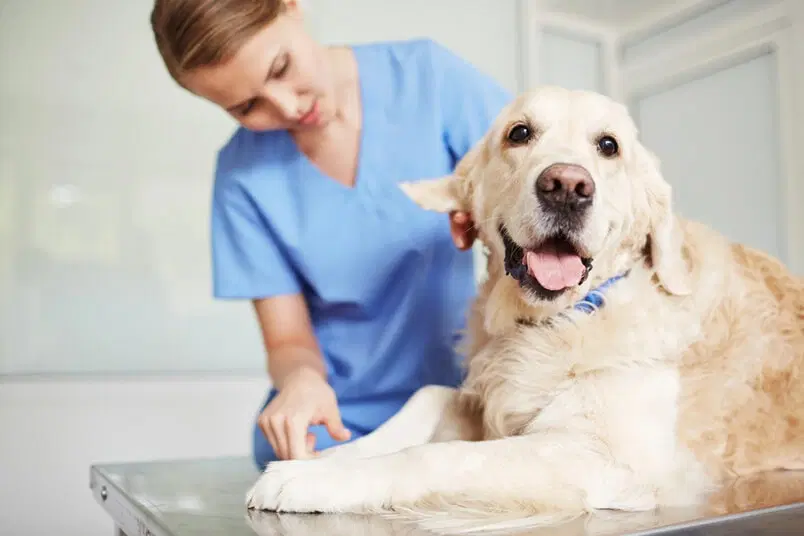
Puppies require significant veterinary attention in their first year. According to the American Animal Hospital Association, puppies need a series of core vaccines administered over several visits, routine wellness exams, and (recommended) a spay/neuter procedure before reaching one year of age.1 These predictable costs are typically not covered by standard accident and illness policies.
Beyond routine care, puppies carry a higher-than-average risk for certain injuries and illnesses.2 Accidental ingestion of household items, bite wounds, fractures from rough play, and exposure to parvovirus are among the most common reasons young dogs need emergency veterinary care. Enrolling early before any of these events occur — and before any conditions are noted in veterinary records or begin to show symptoms — can help keep coverage as broad as possible.
What Puppy Insurance Typically Covers
A standard accident and illness policy helps cover conditions that develop after the policy takes effect and before any symptoms were documented or show symptoms. What pet insurance covers varies by plan, but extensive accident and illness plans typically include coverage for:
Accidents: Ingestion of foreign objects, lacerations, broken bones, toxic exposure, and bite wounds.
Illnesses: Parvovirus, kennel cough, infections, gastrointestinal conditions, cancer, and organ disease.
Hereditary and congenital conditions: Breed-specific issues like hip dysplasia, heart conditions, eye disorders, and respiratory conditions
Diagnostics and treatment: Bloodwork, X-rays, ultrasounds, specialist consultations, hospitalization, surgery, and prescription medications.
What’s not covered:
Pre-existing conditions — any illness or injury with documented symptoms or treatment before the policy’s effective date or during the waiting period
Routine preventive care (exams, vaccines, parasite prevention) — unless a wellness add-on is included
When to Enroll a New Puppy
Timing is an important decision in puppy insurance. Once a condition is noted in veterinary records — even without a formal diagnosis — it typically becomes a permanent exclusion under a pet insurance policy. Enrolling within the first few weeks of bringing a puppy home, before the first wellness exam can document any issues or before an illness begins to show symptoms, helps give coverage the cleanest possible start.
Many pet insurers allow enrollment starting at 8 weeks old. Most illness policies apply a 14-day waiting period before coverage activates, so it’s important to consider the waiting period when you’re enrolling. Understanding the best age to get pet insurance explains enrollment windows in detail and how pre-existing condition reviews may differ by age.
For large and giant breed dogs, an additional consideration could be worth noting: many policies impose a 6–12 month waiting period for orthopedic conditions, including hip dysplasia and cruciate ligament injuries. Enrolling as early as possible can help allow this extended waiting period to clear before the dog shows any symptoms of orthopedic stress.
What to Look for in a Puppy Insurance Plan
Hereditary and congenital condition coverage: Many breed-specific health conditions are hereditary — hip dysplasia in Labrador Retrievers, mitral valve disease in Cavalier King Charles Spaniels, and brachycephalic obstructive airway syndrome in French Bulldogs. These conditions may only be covered if the policy is in place before symptoms appear.
Annual limit: The annual limit is the total in eligible costs the insurer reimburses per policy term. A higher annual limit can offer more protection against expensive diagnostics or multi-step treatment plans requiring ongoing care and costs.
Reimbursement rate and deductible: Most policies offer reimbursement options ranging from 70%, 80%, or 90% after the annual deductible is met. A higher deductible can help reduce monthly premiums; a higher reimbursement rate means more money back in your pocket for eligible claims. Choosing the right combination depends on financial flexibility and risk tolerance.
Wellness add-on: Standard policies don’t cover routine care. A pet insurance wellness add-on can help offset first-year and routine costs — the puppy vaccine series, wellness exam fees, and spay/neuter procedures. According to the American Kennel Club, puppies typically need three to four veterinary visits in their first year for core vaccinations and wellness checks alone.3
No upper age limit for enrollment: The plan you choose as a puppy owner should be one you can maintain long-term. Providers with no enrollment or policy age cap allow continuous coverage from puppyhood through senior years.
Is Puppy Insurance Worth It in the First Year?
Puppies are curious and can face specific risks that make the first year one of the most important coverage windows:
Accidental ingestion of household items is one of the most common and costly claims filed for young dogs — foreign body removal requires urgent veterinary care and sometimes surgery
Parvovirus treatment for a puppy who contracted the virus before completing the full vaccine series can involve hospitalization and intensive care
Orthopedic injuries from rough play — fractures, cruciate tears, luxating patellas — are among the most expensive single claims across all age groups
A complete puppy vaccination schedule helps reduce the risk of some infectious diseases, but it cannot prevent accidents or hereditary conditions. Pet insurance offers a financial buffer for eligible costs that allows care decisions to be made based on what’s medically best, not what’s immediately affordable.
Every pet’s needs are different, which is why flexibility matters when choosing coverage. Whether you have a playful puppy, a senior cat, or multiple pets at home, pet insurance can help you feel more prepared for the unexpected.
Spot Pet Insurance covers pets starting at 8 weeks old with no upper age limit and offers plans in all 50 states, helping make coverage more accessible for pet families. Enroll your pet today.

We’re pet parents first—and writers, marketers, and product developers by trade—combining lived experience with industry expertise in everything we create.
American Animal Hospital Association (AAHA). “Puppy and Kitten Preventive Healthcare.” 2024. https://www.aaha.org/resources/preventive-healthcare/puppy-and-kitten-care/
PetMD. “7 Common Puppy Illnesses and How To Protect Your Pup.” 2023. https://www.petmd.com/dog/general-health/7-common-puppy-illnesses-and-how-to-protect
American Kennel Club (AKC). “Puppy Health Care: What to Expect in the First Year.” 2024.
The information presented in this article is for educational and informational purposes only and does not constitute or substitute for the advice of your veterinarian.