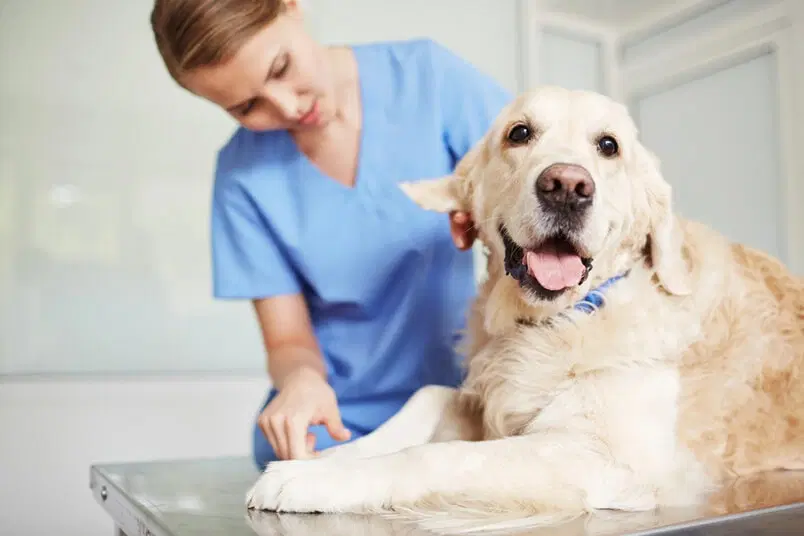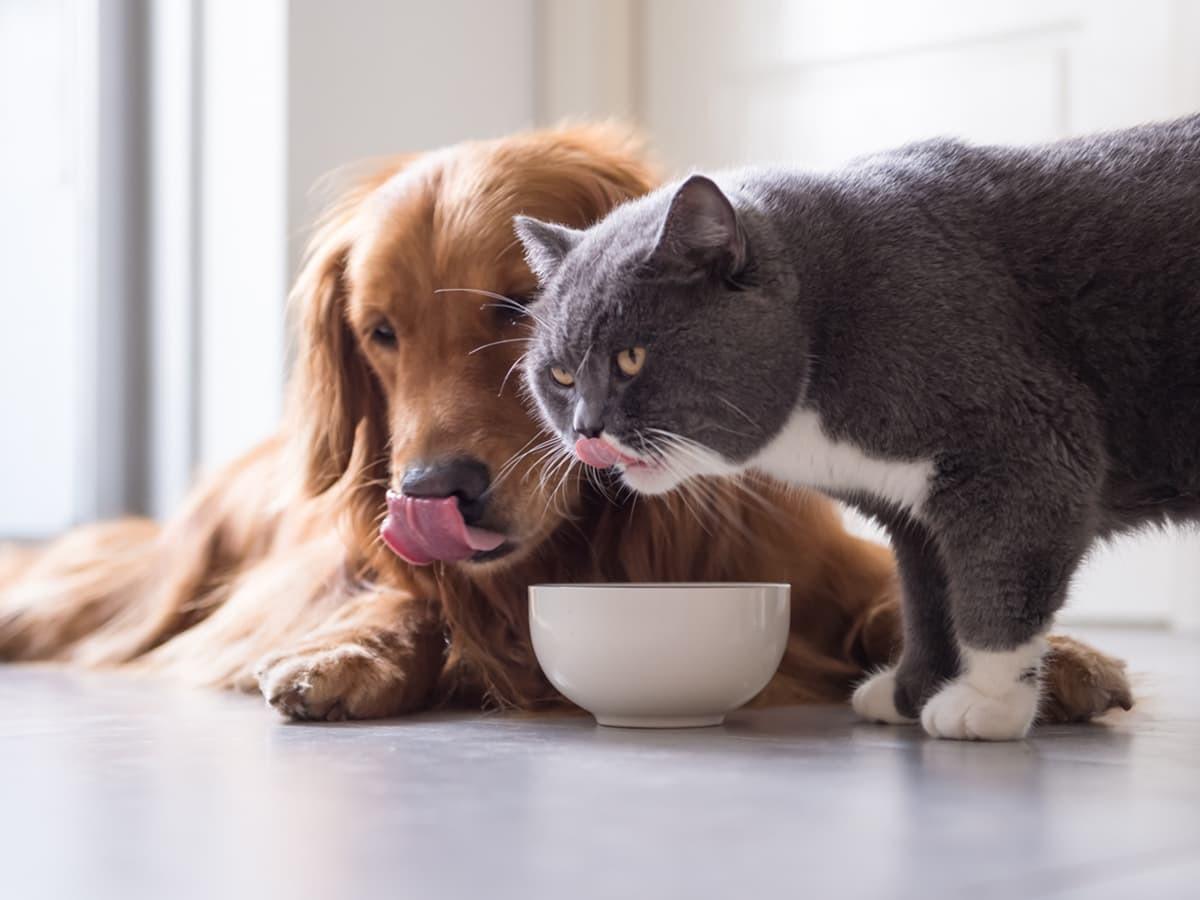
You don't have to insure every pet the same way. Whether it makes sense to cover all your pets — or just some of them — comes down to each animal's individual risk profile (age, breed, and health history) and how much financial risk your household is comfortable carrying without a safety net. Many multi-pet households land on a mix: insurance for higher-risk pets, and self-funded savings for lower-risk ones.
Should You Insure All Your Pets, or Just Some of Them?
Neither approach is required. Pet insurance is optional, and nothing obligates you to enroll every animal you own. You can insure all your pets, insure just one or two, or insure none — the choice is yours to make pet by pet.
That said, treating it as an all-or-nothing decision can leave you exposed in the wrong spot. A household with one senior dog and one young cat has two very different risk profiles under one roof. Deciding to insure "the pets" as a group, rather than evaluating each one, tends to either overinsure the low-risk pet or underinsure the high-risk one. Many insurers offer a modest discount for each additional pet enrolled, which is worth factoring in once you know which pets you actually want covered.
What Makes One Pet Riskier to Leave Uninsured Than Another?
Three factors drive most of the risk variance between pets in the same household: age, breed, and health history. Understanding each helps you rank your pets by how exposed you'd be if you skipped coverage.
Age
Risk of serious illness rises sharply as pets get older. A 2022 study in the journal Veterinary and Comparative Oncology, analyzing Dog Aging Project data¹, found that malignant tumors made up just 0.1% of tumor diagnoses in dogs aged 0–2, compared with 44.0% in dogs aged 12 and older.¹ A young, healthy pet and a senior pet in the same house are not comparable risks.
Breed and Genetics
Some breeds carry meaningfully higher odds of costly hereditary conditions than others. Research published in PLOS ONE² tracking over one million hip records across 60 dog breeds found hip dysplasia prevalence ranging from under 3% in breeds like the Belgian Sheepdog to nearly 25% in the Newfoundland, with elbow dysplasia climbing as high as 48.6% in the Chow Chow.² If one of your pets belongs to a breed with known predispositions and another doesn't, that's a real difference in expected veterinary cost.
Health History
A pet with an existing diagnosis carries different risk than one with a clean history — but not in the direction you might expect for insurance purposes. Insurers exclude pre-existing conditions from coverage, so a pet who's already sick is the one least likely to get full value from a new policy, while a currently healthy pet is the one with the most to gain from enrolling now, before anything shows up. See what counts as a pre-existing condition for how that exclusion window works.
How Multi-Pet Discounts Change the Math
Multi-pet households are common enough that insurers build in incentives for enrolling more than one animal. A 2025 industry report from the American Pet Products Association³ found that households with three or more cats grew 36% between 2018 and 2024, while single-cat households fell from 64% to 58% over the same period³ — a sign that multi-pet ownership keeps expanding, not shrinking.
A discount on the second or third pet's premium can tip a borderline decision toward "insure," since it lowers the ongoing cost of covering a pet you were already leaning toward protecting. But a discount shouldn't be the reason you insure a low-risk pet you'd otherwise skip. Each pet still gets its own individual policy priced on its own risk factors, so the discount reduces cost — it doesn't change the underlying math for whether that particular pet needs coverage. What is multi-pet insurance breaks down how per-pet pricing and discounts interact.
Should You Self-Insure Your Lower-Risk Pets Instead?
Self-insuring — setting aside money in a dedicated fund instead of paying a premium — can work reasonably well for a pet with low breed risk, a young age, and no health history yet. The tradeoff is that the fund needs time to build before it can absorb a major claim, and a pet doesn't wait for your savings account to catch up before it gets sick or hurt.
This is really the same question as "should I get pet insurance at all," just applied pet by pet instead of household-wide. Is pet insurance worth it walks through that underlying tradeoff — mainly, whether a large, unexpected vet bill would be hard for you to cover out of pocket for that specific animal — in more depth than we'll repeat here. If the answer is "yes, that would be hard" for a given pet, that pet is a strong insurance candidate regardless of what you decide for the others.
A Simple Framework for Deciding Which Pets to Insure
Use these steps to sort your pets into insure-now, insure-soon, or self-fund categories:
List every pet in your household with age, breed, and any known health conditions.
Flag age-related risk. Senior pets or pets entering middle age move toward the top of the insure-now list.
Flag breed-related risk. Note any breed with known hereditary or genetic predispositions.
Check health history. A pet with no diagnosed conditions yet has the most to gain from enrolling before anything develops.
Rank your pets by combined risk. The highest-risk, currently-healthy pets are your strongest insurance candidates.
Decide on the rest. For lower-risk pets, weigh a dedicated savings fund against enrolling anyway for the multi-pet discount and simplicity of one approach household-wide.
Frequently Asked Questions
Is it bad to insure only some of my pets?
No. Insuring some pets and not others is a common, reasonable approach — especially in households with a mix of ages or breeds. The key is making an active decision for each pet rather than defaulting to whatever you did for the first one you enrolled.
Does waiting to insure a pet save money?
Not usually. Waiting means a pet ages further into higher-risk categories, and any condition that develops before enrollment becomes a pre-existing condition excluded from future coverage. Enrolling while a pet is young and healthy typically preserves more coverage than waiting does.
Can I insure just my highest-risk pet and skip the others?
Yes. Since each pet gets its own individual policy, you can insure one pet and leave the rest uncovered. Just revisit the decision periodically — a currently low-risk pet's risk profile can change as it ages or develops a condition.
Do multi-pet discounts make insuring everyone worth it?
A multi-pet discount lowers the cost of insuring additional pets, but it shouldn't be the deciding factor on its own. Weigh the discount against each pet's individual risk level first, then use the discount to make the higher-risk pets more affordable to cover.
Every pet's needs are different, which is why flexibility matters when choosing coverage. Whether you have a playful puppy, a senior cat, or multiple pets at home, pet insurance can help you feel more prepared for the unexpected.
Spot Pet Insurance covers pets starting at 8 weeks old with no upper age limit and offers plans in all 50 states, helping make coverage more accessible for pet families. Enroll your pet today.

We’re pet parents first—and writers, marketers, and product developers by trade—combining lived experience with industry expertise in everything we create.
Nolan MW, et al. "Lifetime prevalence of malignant and benign tumours in companion dogs: Cross-sectional analysis of the Dog Aging Project baseline survey." Veterinary and Comparative Oncology, June 2022. https://pmc.ncbi.nlm.nih.gov/articles/PMC10089278/
Powell K, et al. "Long-term genetic selection reduced prevalence of hip and elbow dysplasia in 60 dog breeds." PLOS ONE, February 2017. https://pmc.ncbi.nlm.nih.gov/articles/PMC5325577/
American Pet Products Association. "APPA Releases 2025 Dog & Cat Report, Revealing a New Era of Pet Ownership." APPA, June 2025. https://americanpetproducts.org/news/the-american-pet-products-association-appa-releases-2025-dog-cat-report