The best large dog breeds for families include the Labrador Retriever, Golden Retriever, Bernese Mountain Dog, Newfoundland, Boxer, Standard Poodle, and Saint Bernard. All seven earn the American Kennel Club's top score of 5 out of 5 for being good with young children.¹ If you're expecting a baby, the right breed is only part of the picture. Timing, preparation, and supervision matter just as much.
What Are the Best Large Dog Breeds for Families?
Here's how seven family-friendly large breeds compare, based on their AKC breed profiles:¹
Breed | Weight | Life expectancy | AKC "Good With Young Children" score |
|---|---|---|---|
55–80 lb | 11–13 years | 5 of 5 | |
55–75 lb | 10–12 years | 5 of 5 | |
40–70 lb | 10–18 years | 5 of 5 | |
65–80 lb (males); females about 15 lb less | 10–12 years | 5 of 5 | |
70–115 lb | 7–10 years | 5 of 5 | |
100–150 lb | 9–10 years | 5 of 5 | |
120–180 lb | 8–10 years | 5 of 5 |
Even a top score comes with a caveat. The AKC notes that dogs should always be supervised around young children, no matter the breed.¹
A Closer Look at Each Breed
Labrador Retriever
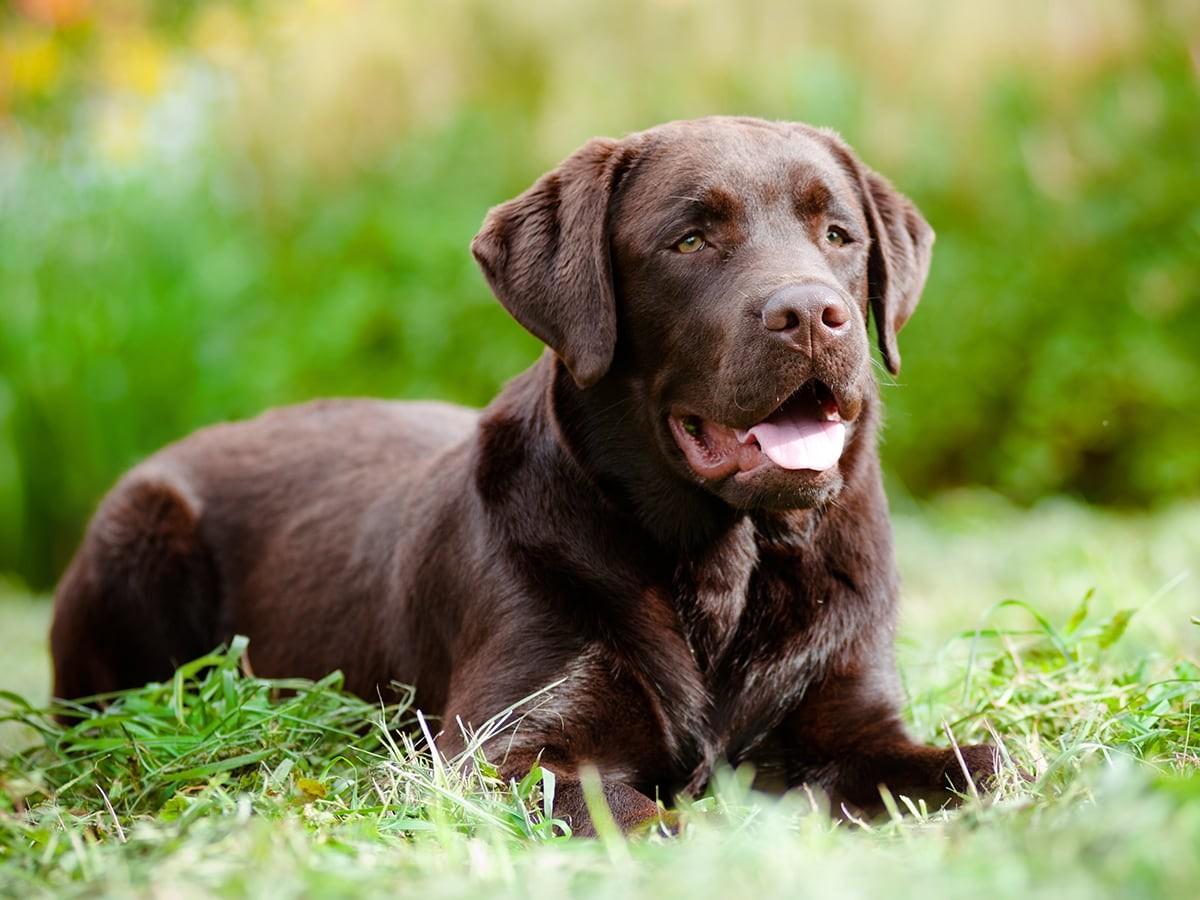
Labs are friendly, eager to please, and easy to train. They have plenty of energy, so they're a great fit for active families who enjoy daily walks and backyard play.
Golden Retriever

Goldens are patient and gentle, which makes them classic family dogs. They shed a lot and need regular brushing, so plan for some extra vacuuming with a baby crawling around.
Standard Poodle
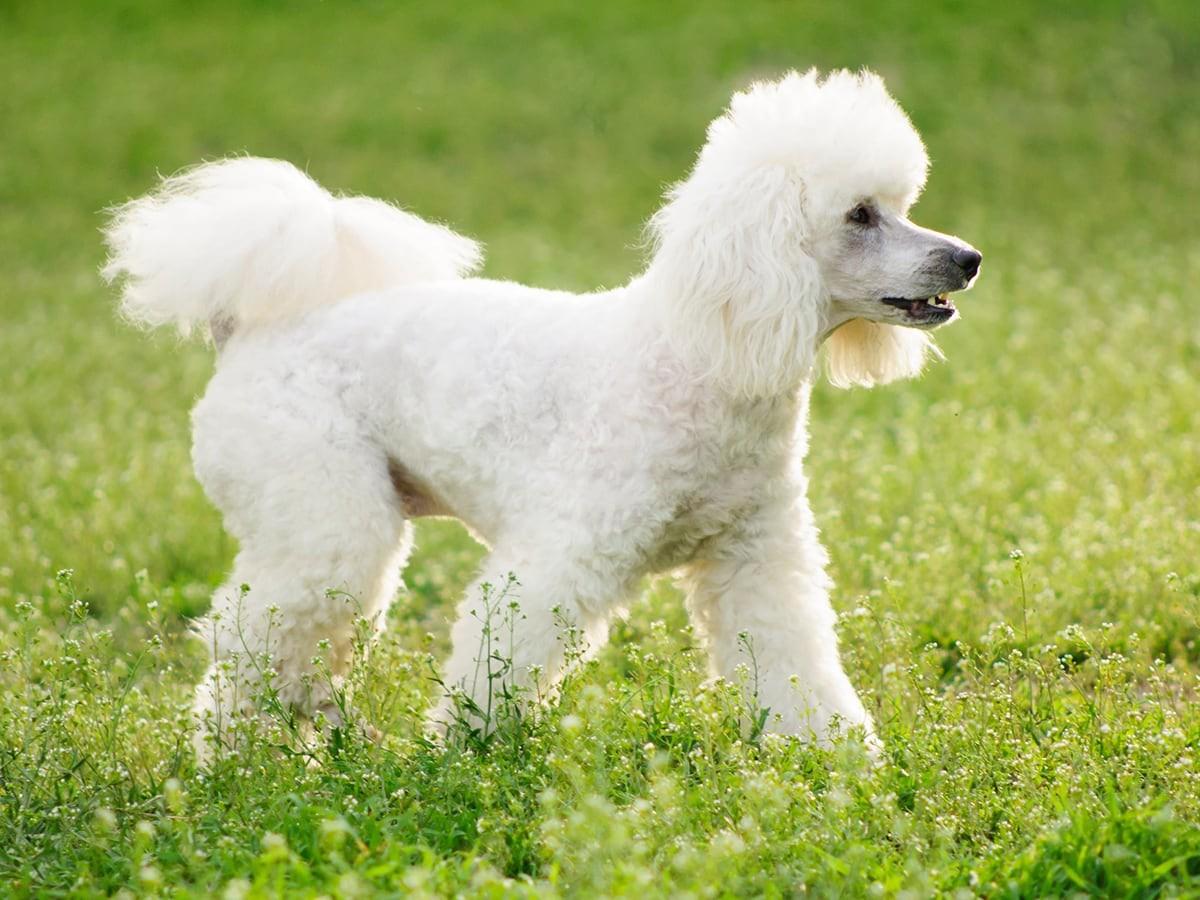
Standard Poodles are smart, playful, and have a low-shedding coat. They need regular grooming, but they're a good choice for families who want less dog hair around the house.
Boxer
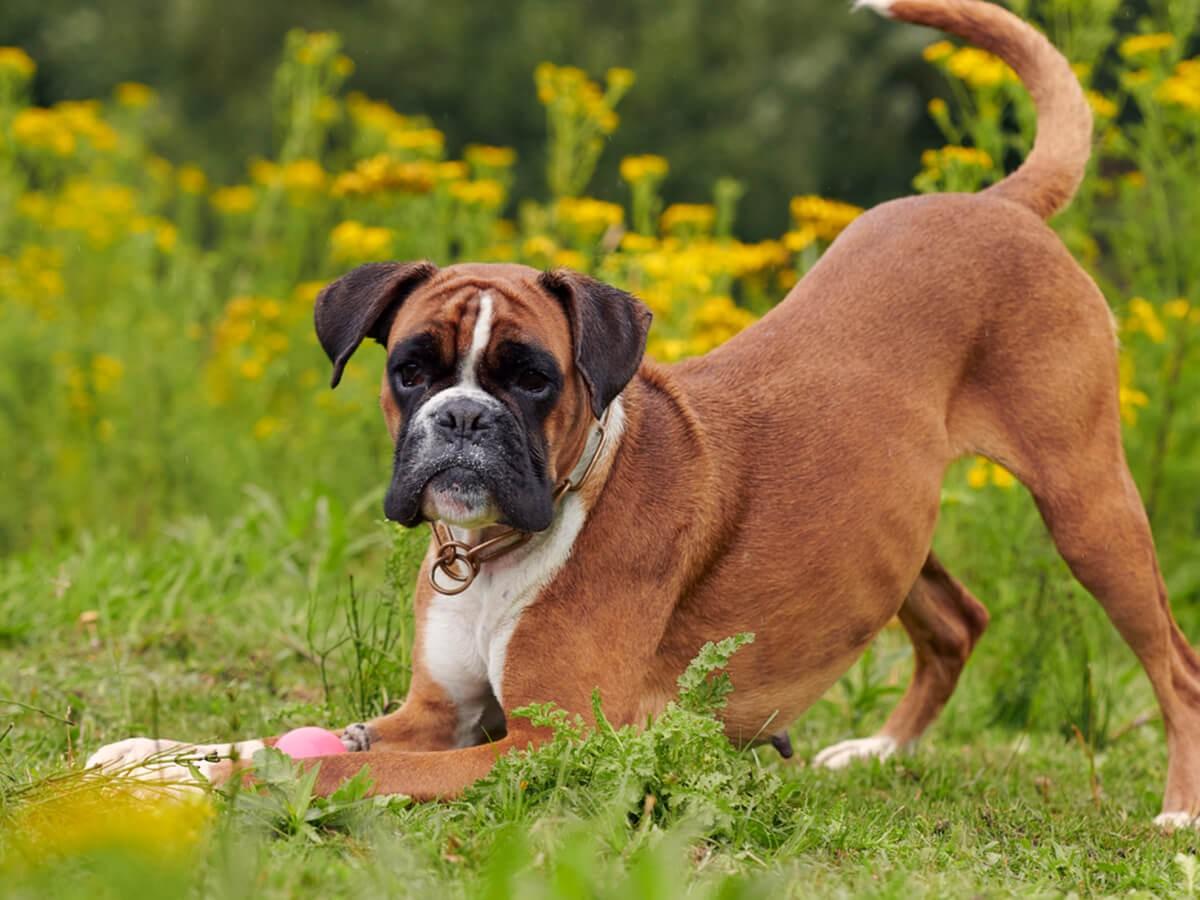
Boxers are loyal and fun-loving, with a playful streak that kids adore. They can be bouncy, especially when young, so training early helps them stay gentle around little ones.
Bernese Mountain Dog
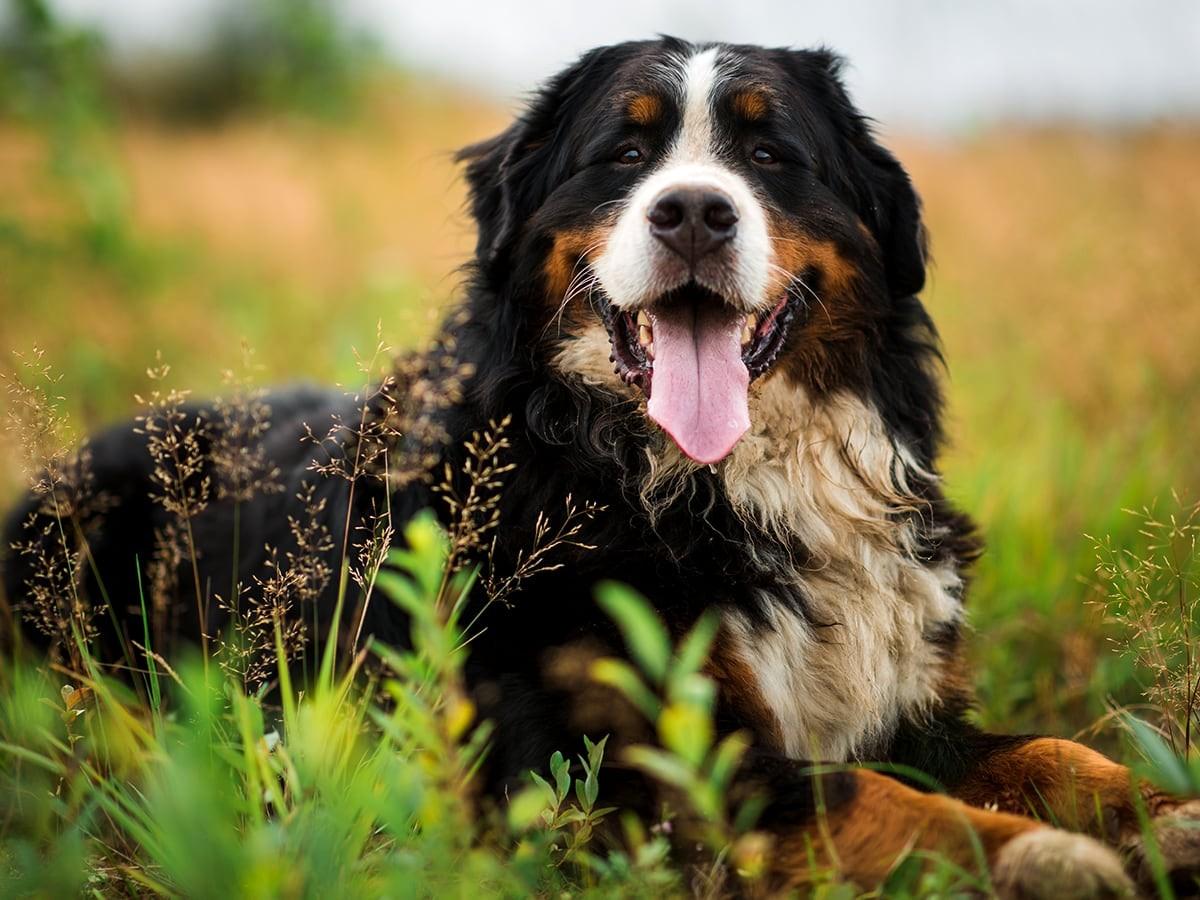
Berners are calm, affectionate, and devoted to their families. Their shorter lifespan is the biggest trade-off, so it's worth learning about the breed's health before you commit.
Newfoundland
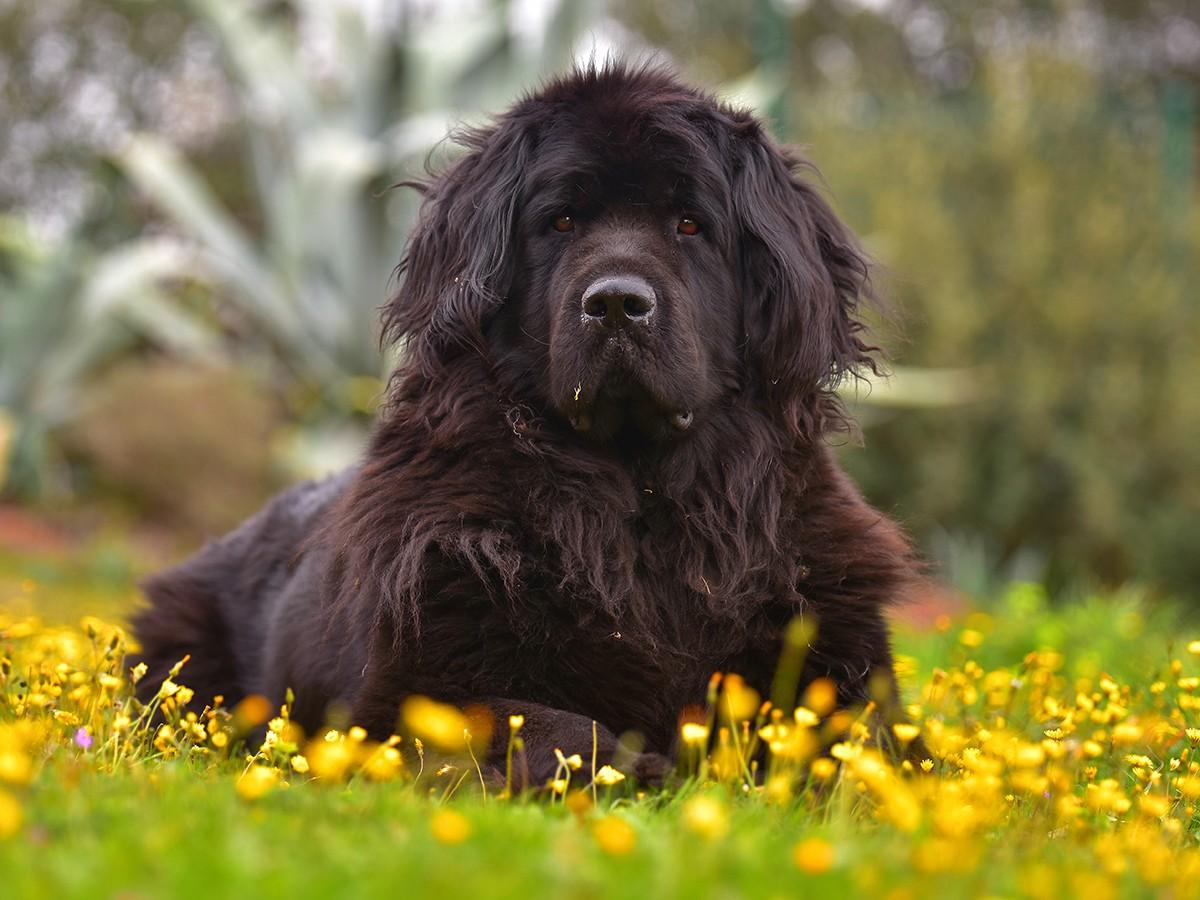
Newfies are famously sweet and patient, which is why they're often called gentle giants. They drool and shed, and their size means they need plenty of space.
Saint Bernard
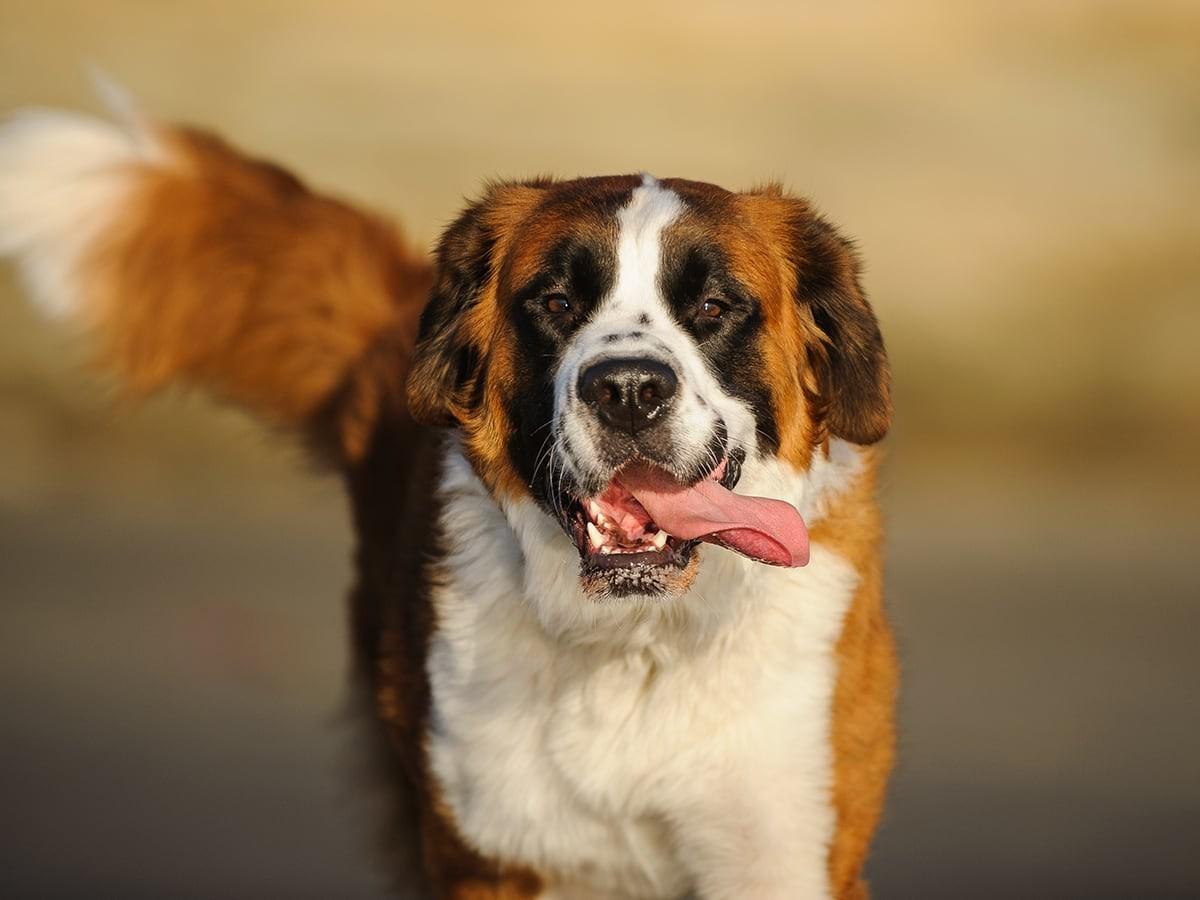
Saint Bernards are mellow and good-natured, and they tend to be calm indoors. Like Newfies, they're very large, so early training matters to keep them from knocking over small children.
Should You Get a Dog Before or After Having a Baby?
There's no single right answer, but here's what to think about:
Adopting before the baby: If you bring a dog home well before your due date, you'll have time to train them and settle into routines. An adult dog that already knows basic commands is usually easier than a young puppy.
Waiting until your child is older: Many families wait until kids are a bit older and can learn how to act around a dog.
Getting a puppy with a newborn: This is the hardest option. Puppies need potty breaks, training, and lots of attention, often at the same time a newborn does. Our guide on how to train a puppy shows how much work those first months take.
Whichever you choose, pick a dog whose energy level fits the life you'll have with a baby, not just the life you have now.
How Do You Prepare Your Dog for a New Baby?
Start early, ideally a few months before your due date. Dogs often notice changes long before the baby arrives, and some pet parents believe dogs can sense pregnancy.
Experts at Texas A&M's College of Veterinary Medicine suggest a few simple steps:²
Play baby sounds. Play recordings of crying for short periods while rewarding your dog with treats or toys.
Share the baby's scent. Let your dog sniff a blanket or outfit your baby has worn before the first meeting.
Start with sight. Let your dog see the baby from across the room first, and watch their body language.
The AKC also reminds new parents that dogs need an adjustment period after any big life change. Give your dog a quiet space, like a crate with a good chew toy, when things get hectic, and plan short, simple encounters between your dog and baby.³ If your dog seems anxious, talk to your vet.
Are Big Dogs Safe Around Babies?
Big dogs can be wonderful with babies, but they need supervision every time. A large, excited dog can knock over a toddler by accident, and any dog can bite if it feels stressed or crowded. Texas A&M's vets advise never leaving a pet alone with a baby, because unexpected bites or swats can happen, even by accident.²
Bites to young children can be serious. In a five-year study of dog bite cases at one pediatric emergency department, 64% of injuries were to the head, neck, or face, and nearly 12% of patients needed to be admitted to the hospital.⁴
As your baby grows, teach them to be gentle, to leave the dog alone while it eats or sleeps, and never to hug or climb on a dog.
What Should Families Budget for a Large Dog?
Large dogs eat more, need bigger supplies, and often have higher vet costs. Many large breeds also have shorter lifespans and are prone to issues like hip and elbow dysplasia or bloat. Our guide to pet insurance for large dogs explains how coverage can help with big-dog vet bills.
Frequently Asked Questions
What is the best large dog breed for a family with a baby?
Labrador Retrievers and Golden Retrievers are two popular choices, thanks to their patient, friendly personalities and top AKC ratings with young children. Standard Poodles are a good pick if you want less shedding. The best choice is the dog whose energy level and care needs fit your family's daily life with a new baby.
What is the calmest large dog breed for families?
Bernese Mountain Dogs, Newfoundlands, and Saint Bernards tend to be calm and gentle at home, which is why they're often called gentle giants. They still need daily exercise and training. Keep in mind that every dog is an individual, so meet the dog and ask about their personality before you bring them home.
Is a puppy or an adult dog better for a new baby?
For most new or expecting parents, an adult dog is easier. Adult dogs are often already house-trained, and their personalities are easier to predict. Puppies need frequent potty breaks, training, and supervision, which can be a lot to handle with a newborn. If you want a puppy, consider getting one well before or well after the baby arrives.
How early should I prepare my dog for a new baby?
Start a few months before your due date. That gives you time to adjust your dog's routine, introduce baby sounds and smells, and practice basic commands like sit and stay. Set up any gates or new sleeping spots early, too, so your dog doesn't link all the changes to the baby's arrival.
Pet insurance can help pet parents feel more prepared for life's unexpected vet visits. From unexpected accidents and illnesses to diagnostics and treatment, having a plan in place can help make the cost of covered care more manageable when it matters most.
Spot Pet Insurance offers customizable plans for dogs and cats, including accident-only and accident & illness coverage. Pet parents can choose from flexible reimbursement rates, deductibles, and annual limits to build a plan that fits their budget. Every plan also includes coverage for microchip implantation and access to a 24/7 telehealth helpline for added peace of mind. Get a free quote.

We’re pet parents first—and writers, marketers, and product developers by trade—combining lived experience with industry expertise in everything we create.
American Kennel Club. "Dog Breeds" breed profiles (Labrador Retriever, Golden Retriever, Poodle, Boxer, Bernese Mountain Dog, Newfoundland, Saint Bernard). AKC, updated 2024–2026. https://www.akc.org/dog-breeds/
Texas A&M University College of Veterinary Medicine & Biomedical Sciences. "Paw-some Pals: Introducing Your Fur Baby To Your New Baby." Texas A&M Stories, March 20, 2025. https://stories.tamu.edu/news/2025/03/20/paw-some-pals-introducing-your-fur-baby-to-your-new-baby/
American Kennel Club. "How to Introduce Your Dog to Your New Baby." AKC, updated February 17, 2026. https://www.akc.org/expert-advice/advice/introducing-dog-to-baby/
Rowell, S. E., et al. "When the Dog Bites: A 5-Year Retrospective on Canine Bite Encounters." Southern Medical Journal, May 2026. https://sma.org/southern-medical-journal/article/when-the-dog-bites-a-5-year-retrospective-on-canine-bite-encounters/