BlogBowl for Dogs & Cats
Get helpful tips in our blog for dogs, puppies, cats, and kittens.
Featured Posts

Dog Tips
Dog Tips
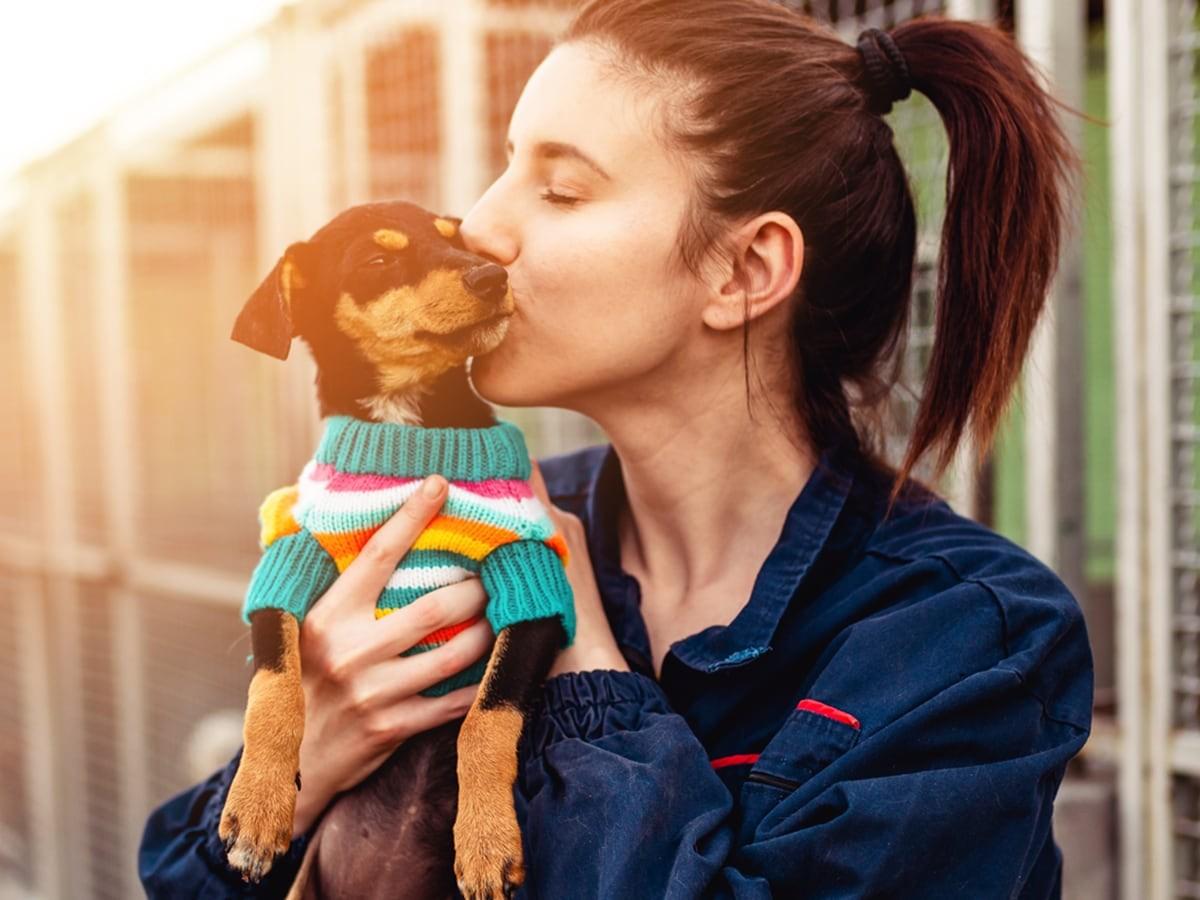
Dog Adoption Checklist: How to Prepare to Adopt a Shelter Dog
To get ready to adopt a dog, choose the kind of dog that fits your life, find a shelter or rescue, stock up on supplies, dog-proof your home, and plan for your new dog's first vet visit. October is a great time to start. It's Adopt a Shelter Dog Month,...

Why Pet Insurance?
Why Pet Insurance?
What Does Pet Insurance Cover?
Most standard pet insurance plans cover unexpected accidents and illnesses — including diagnostic tests, surgery, hospitalization, and prescription medications — for conditions that develop after your policy’s waiting period ends. What they generally...

Why Pet Insurance?
Why Pet Insurance?
Is Pet Insurance Worth It?
Should I Get Pet Insurance? You should get pet insurance if a large, unexpected vet bill would be hard for you to cover out of pocket — that's the core question behind whether coverage makes sense for your pet. According to the AVMA², dog owners spend...

Coverage
Coverage
Does Pet Insurance Cover Dental Care? What's Included and What's Not
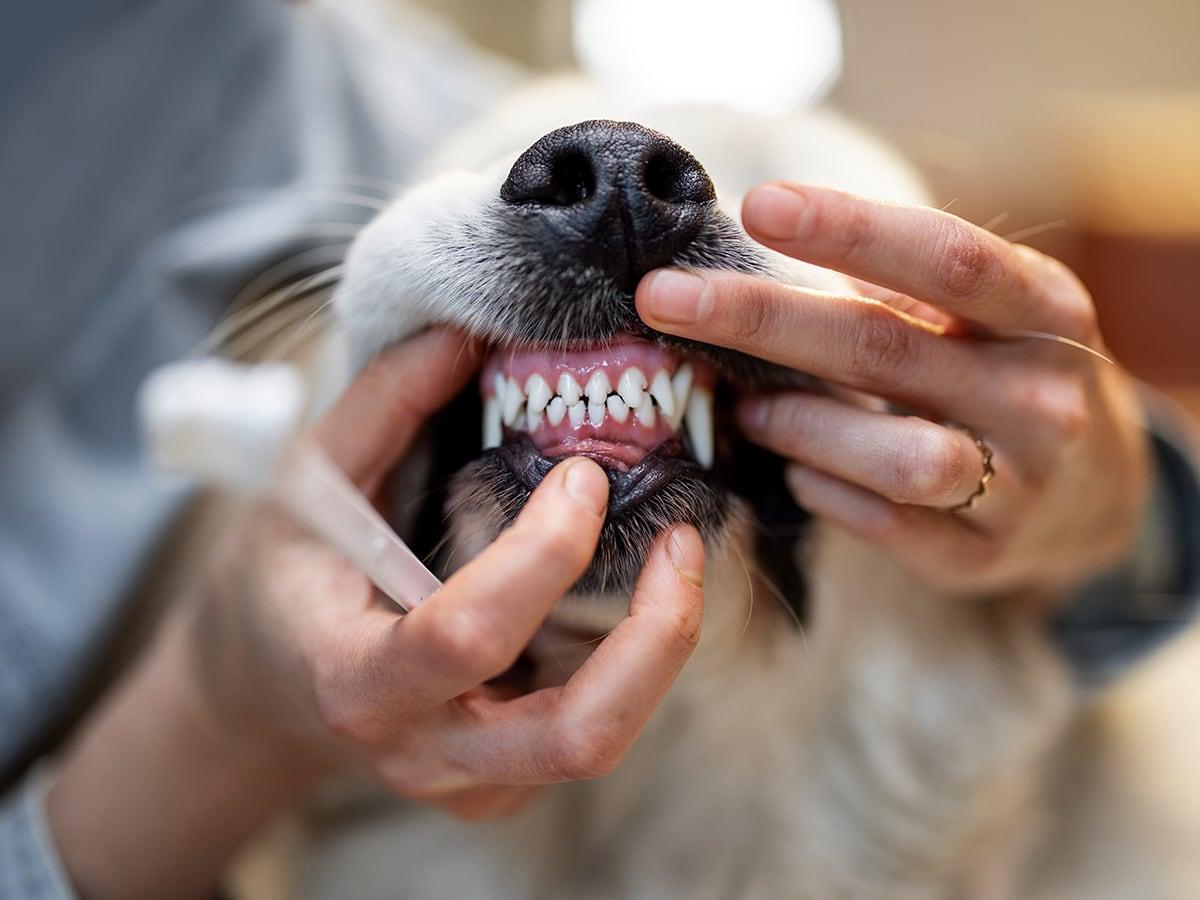
Pet insurance typically helps cover dental injuries from accidents and treatment for dental disease, but routine cleanings and preventive dental care require a separate wellness add-on. According to the AVMA¹, periodontal disease is "the most common...

Pet Safety
Pet Safety
Pet First Aid Kit – Everything You Need To Keep In Your Pet First Aid Kit
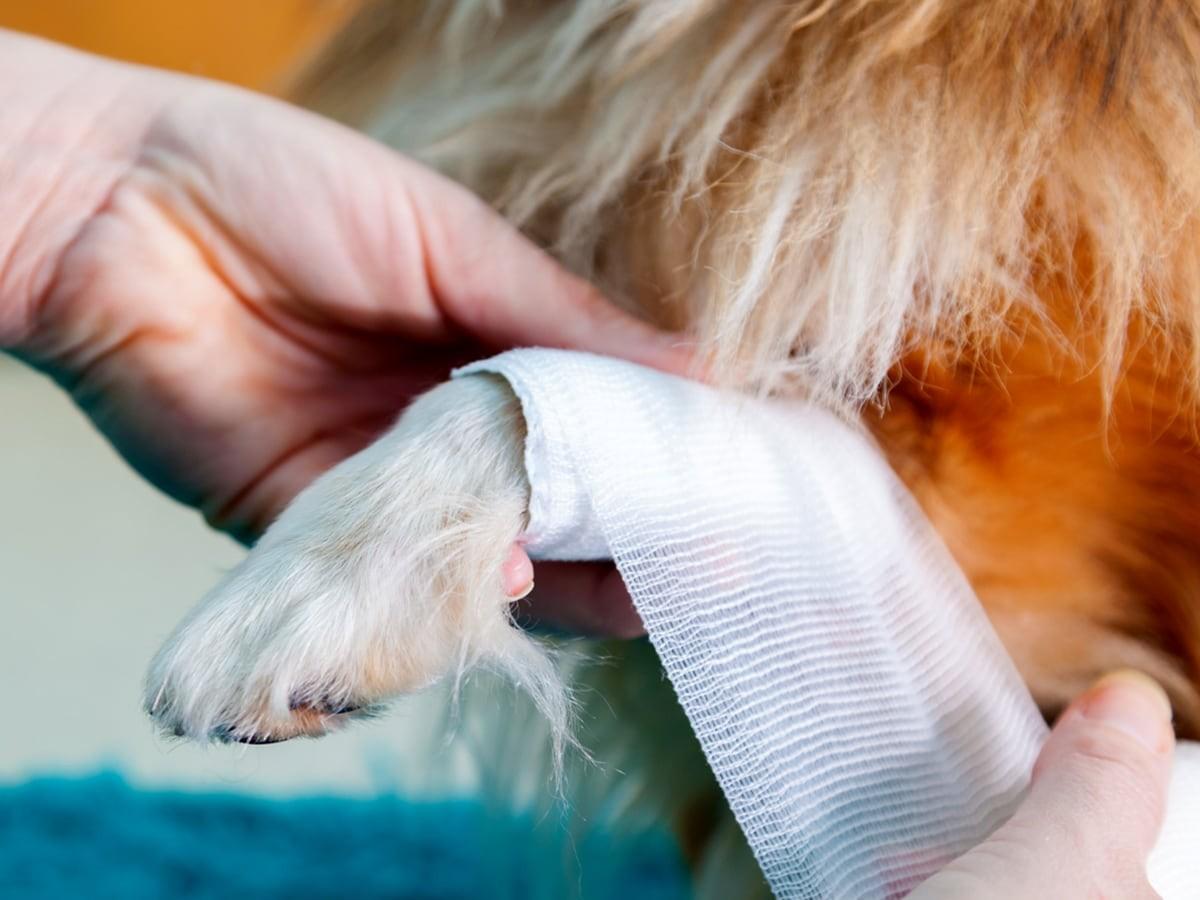
You never know when an accident may happen, and when it does you want to be prepared! Having a first-aid kit for not only yourself but also your pet will help you tend to any injuries you may get going about your day. These kits are great to keep in...

Why Pet Insurance?
Why Pet Insurance?
What Are the Biggest Benefits of Pet Insurance?
Your pet is part of your family — and when an unexpected accident or illness happens, you want to be able to get them the care they need. Pet insurance can help reimburse pet parents for eligible veterinary expenses, with reimbursement rates up to 90%...


Dog Boots for Snow: Does Your Dog Need Them and How to Choose a Pair
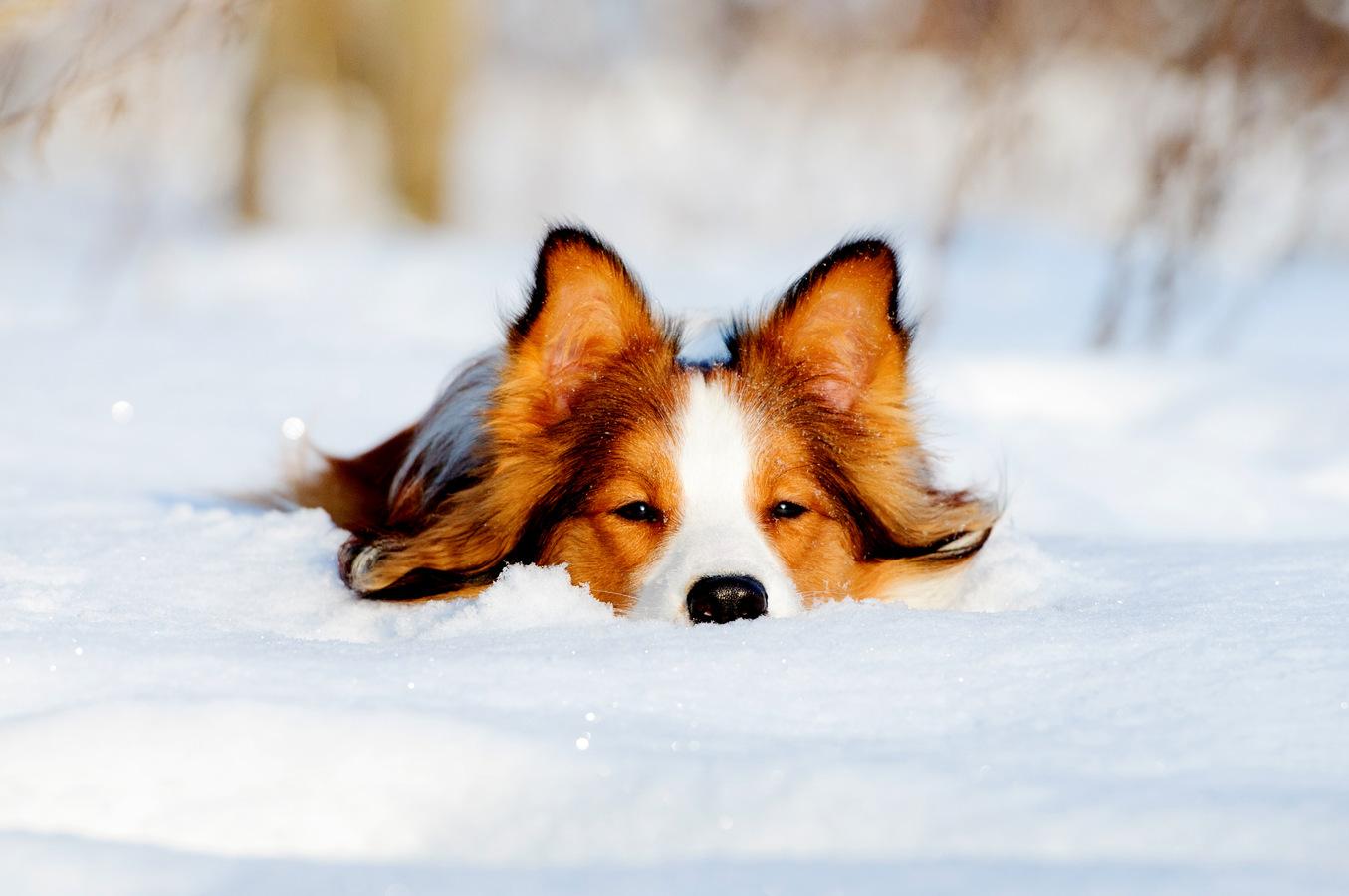
Yes, dog boots are a smart choice for snowy weather. According to PetMD, snow boots are the most reliable way to protect a dog's paws in winter, forming a nearly impenetrable barrier against sharp ice, snow, dampness, and chemicals.¹ At or below...
Dog Tips

Dry Skin in Dogs: Causes, Winter Care, and When to See a Vet
Dry skin in dogs usually shows up as flakes, itching, and a dull coat, and it often gets worse in fall and winter. Cold air outside and heated air inside pull moisture from your dog's skin, and frequent baths or harsh shampoos can make it worse.¹ Dry...
Dog Tips
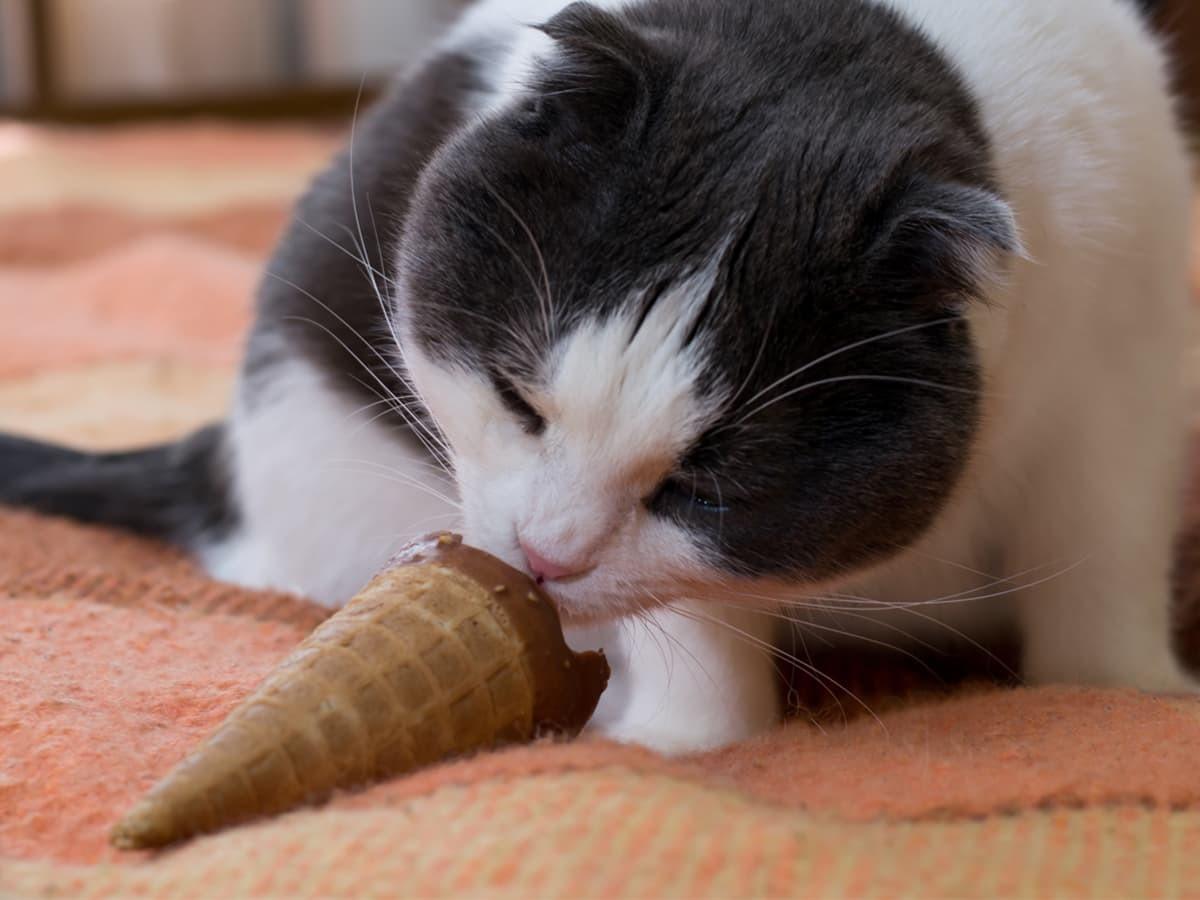
Can Cats Eat Chocolate? Toxic Amounts, Symptoms, and What to Do
No, cats can't safely eat chocolate. It contains theobromine and caffeine, two stimulants that cats process differently than people, which makes them more sensitive to the effects.¹ The darker the chocolate, the more dangerous it is. Chocolate is one...

Cat Tips
Quietest Dog Breeds: 11 Dogs That Rarely Bark
The quietest dog breeds include the Golden Retriever, Newfoundland, Mastiff, Saint Bernard, Basenji, Bolognese, French Bulldog, and Pekingese. All eight earn the American Kennel Club's lowest barking score, meaning they usually bark only to alert you.¹...

Breed Tips

Can Dogs Eat Chocolate? Toxic Amounts, Symptoms, and What to Do
No, dogs can't safely eat chocolate. It contains theobromine and caffeine, which dogs process much more slowly than people, and even small amounts can make a dog sick. The darker the chocolate, the more dangerous it is. Chocolate is so common a hazard...
Dog Tips
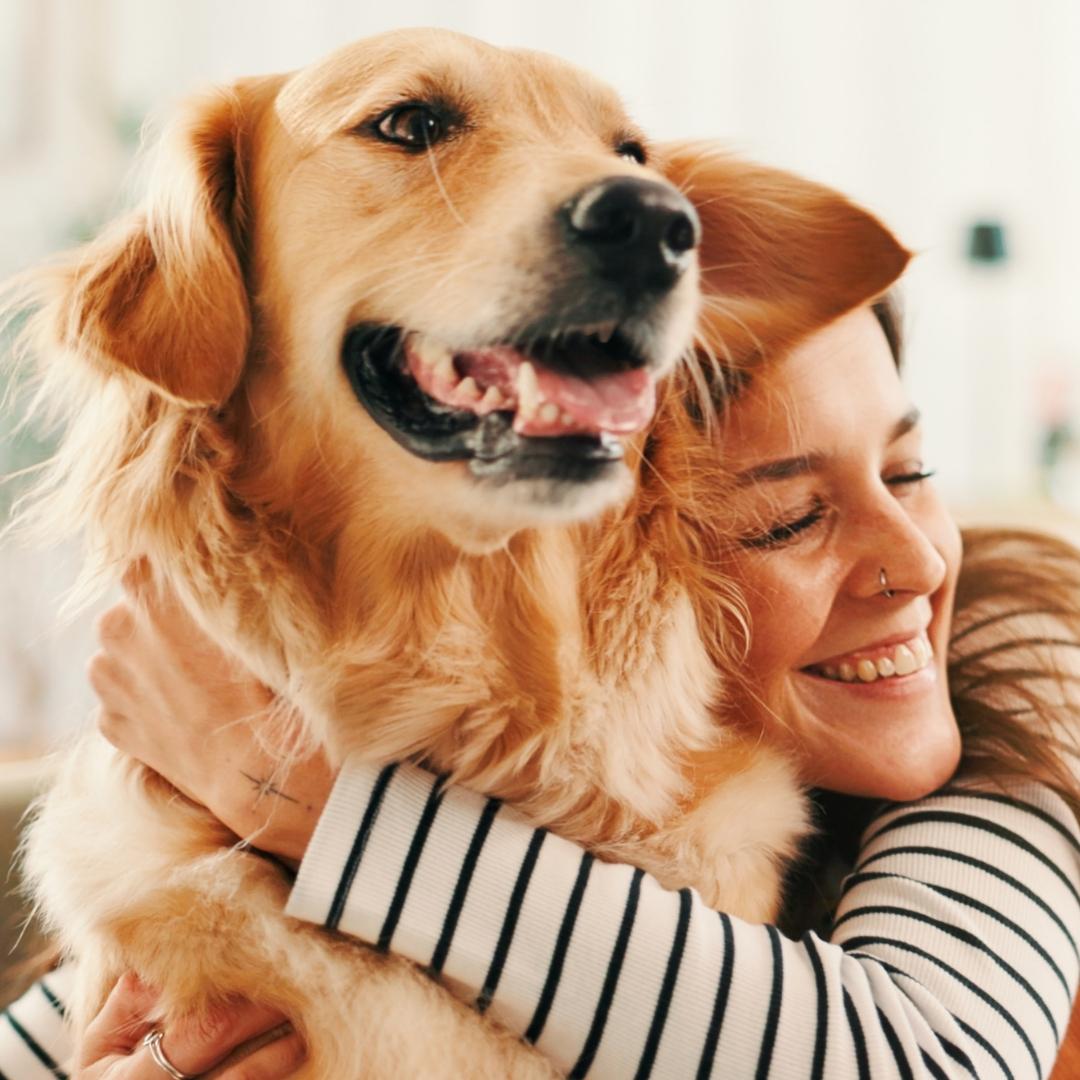
What Is a Soul Dog? Meaning, Signs, and Coping With Loss
A soul dog, also called a heart dog, is a dog you share an unusually deep, once-in-a-lifetime bond with. It's the dog who seems to understand you completely and changes your life in a way no other pet has. It isn't a scientific term, but the feeling is...
Dog Tips
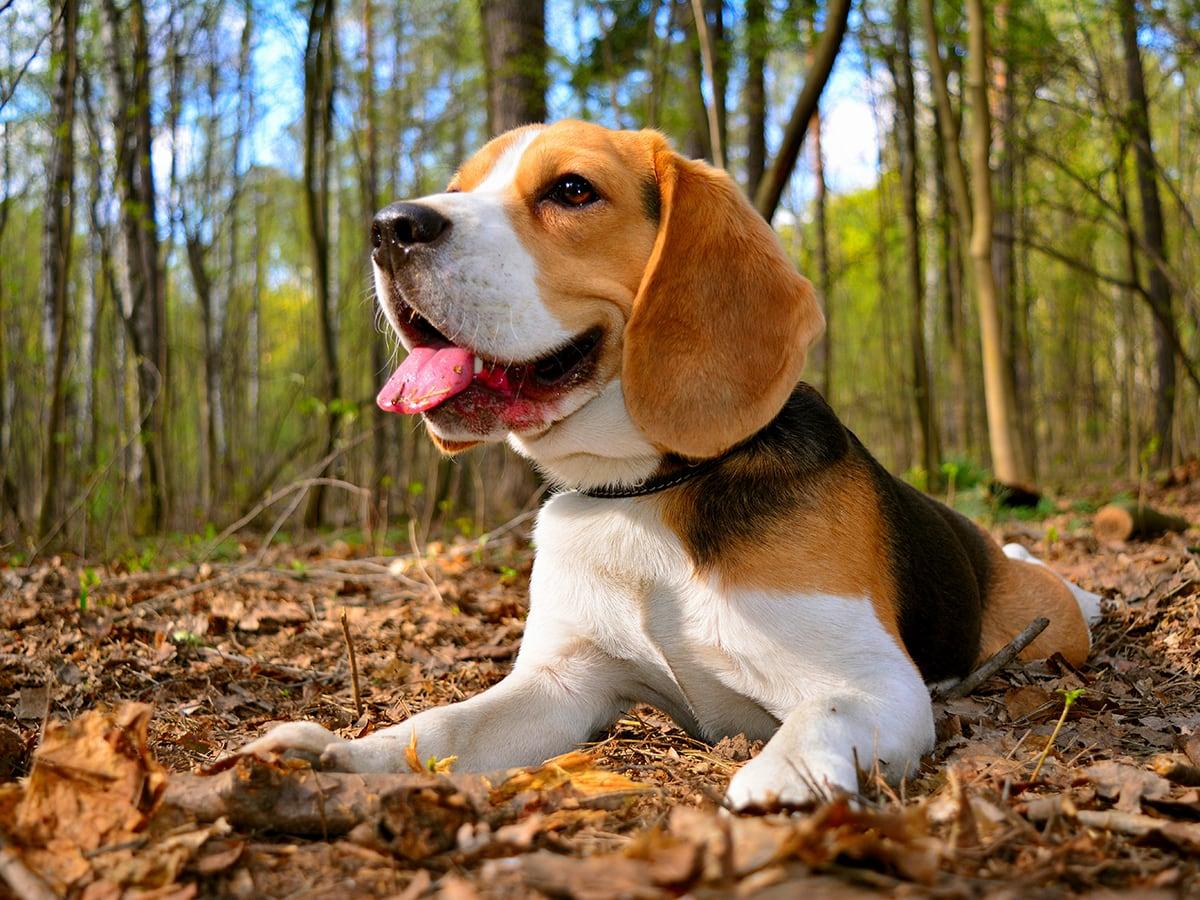
Best Small Dog Breeds: 11 Top Picks for Every Lifestyle
The best small dog breeds include the Beagle, Cavalier King Charles Spaniel, Bichon Frise, French Bulldog, Shih Tzu, and Havanese, all of which earn the American Kennel Club's top score for being good with young children.¹ The right small dog for you...
Dog Tips
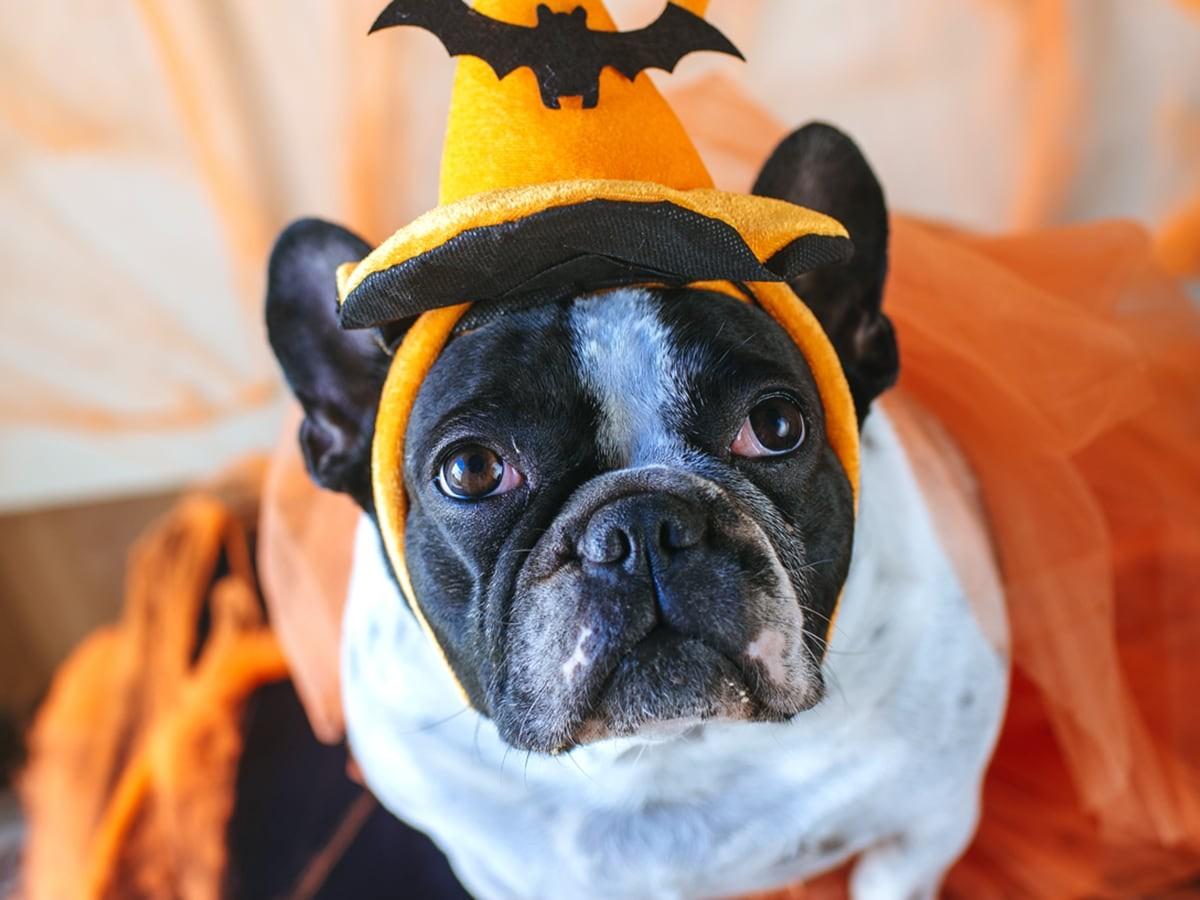
Halloween Safety for Pets: 2026 Tips to Keep Dogs and Cats Safe
To keep your pets safe on Halloween, keep candy out of reach, keep pets indoors in a quiet room during trick-or-treating, choose comfortable costumes (or skip them), keep candles and decorations away from curious paws, and make sure ID tags and...

Lifestyle
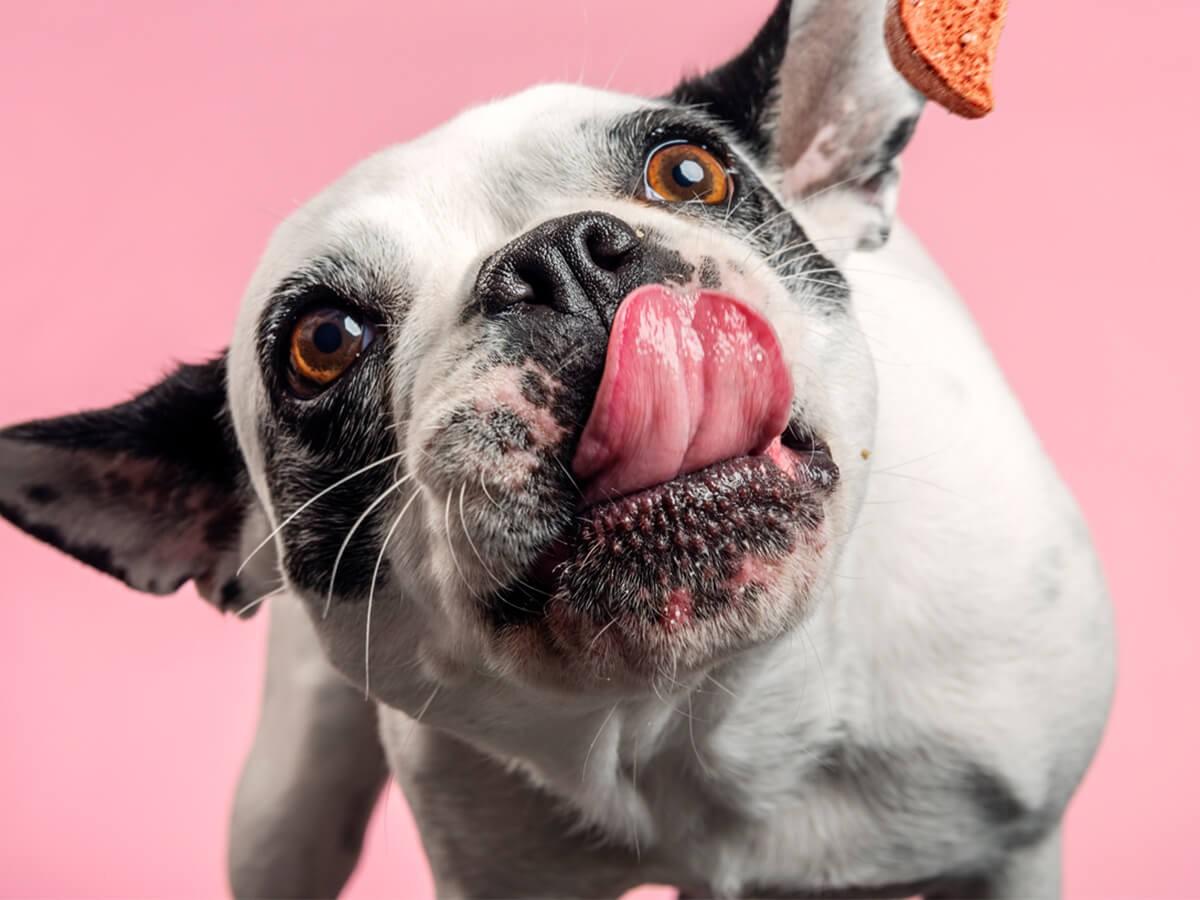
Pet-Safe Halloween Treats: Easy DIY Recipes for Dogs and Cats
The best pet-safe Halloween treats are simple homemade snacks made with pet-friendly ingredients like plain yogurt, 100% pumpkin purée, banana, and apple, frozen into fun spooky shapes. They're easy to make, and they keep your pet out of the candy...
Lifestyle